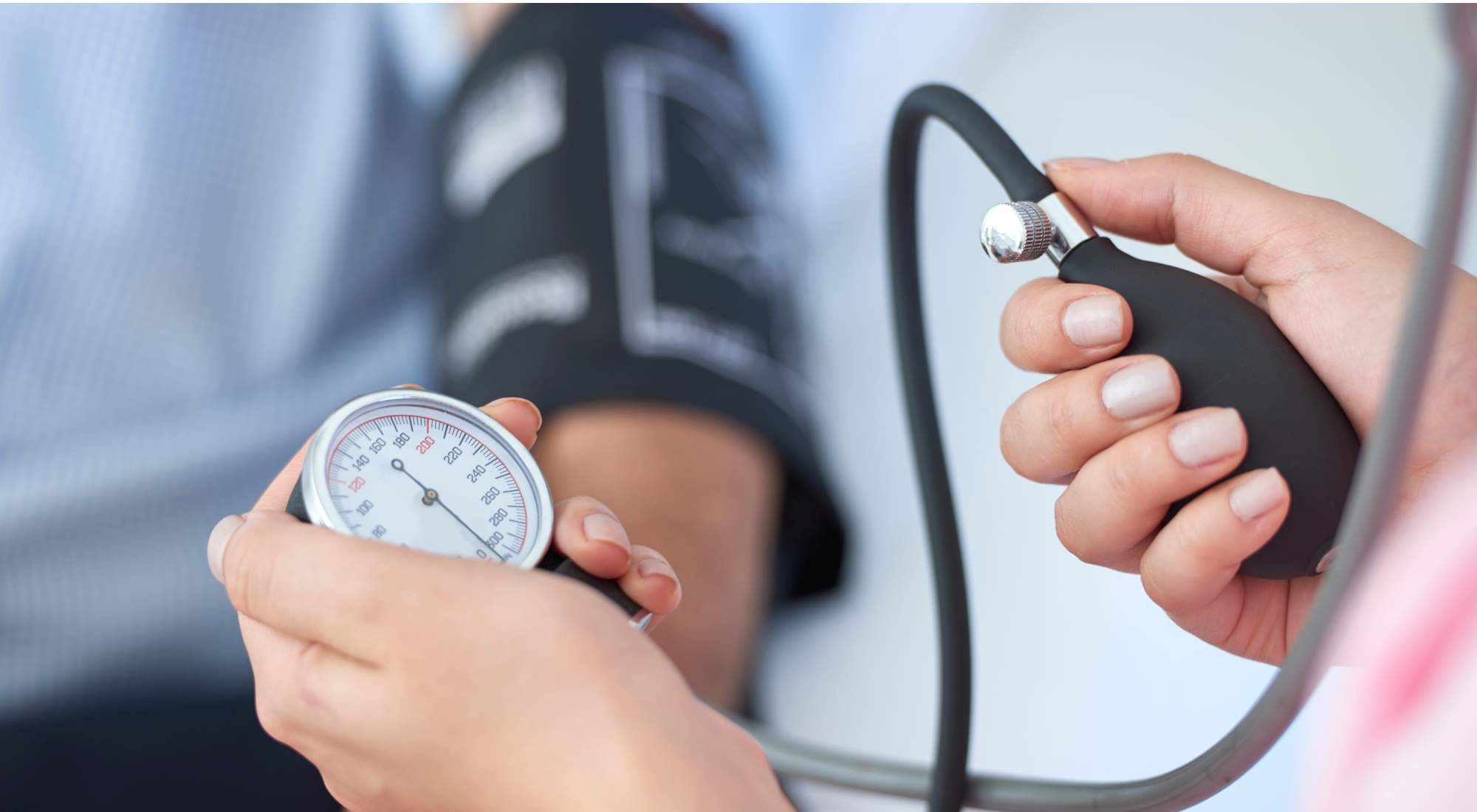
You leave a routine doctor’s appointment only to discover that for the first time ever, you have high blood pressure. Your brain begins to spiral thinking about what has recently changed in your life to cause the alarming numbers. What you don’t know is that your alcohol consumption could be to blame.
Seeking support from trusted professionals can help you get your health back on track.
Read on to learn more about the relationship between alcohol consumption and high blood pressure, and what to do if you believe your drinking is negatively impacting your health.
Table of Contents
- Can Drinking Every Day Cause High Blood Pressure?
- Why Does Alcohol Cause High Blood Pressure? 5 Explanations
- Which Alcohol Is Worst for Blood Pressure?
- Can Alcohol Withdrawal Cause High Blood Pressure?
- How To Control Blood Pressure and Alcohol Consumption
- Concerned About Your Blood Pressure and Alcohol Consumption? Recovery Cove Is Here To Help With Expert Care and Compassionate Support

Can Drinking Every Day Cause High Blood Pressure?
The short answer is, yes, drinking every day can cause high blood pressure. Alcohol has many short and long-term effects on the body, and studies show that as few as one or two drinks a week can raise blood pressure. Moderate to heavy drinking can even cause hypertension.
If you are interested in quitting drinking but struggling with meeting your sobriety goals, it might be time to ask for help. Consider reaching out to Recovery Cove in Pennsylvania to learn about our alcohol use treatment programs, and how they can help you live a healthier life.
Why Does Alcohol Cause High Blood Pressure? 5 Explanations
Can alcohol cause high blood pressure? The medical community agrees — yes, it can. But why does alcohol cause high blood pressure, and what kind of effects does it have on the rest of the body? We’ve listed a few reasons that alcohol can contribute to high blood pressure, as well as other health problems.
If you suspect that your drinking is compromising your health but are still struggling to stop, it’s time to reach out to Recovery Cove. We offer a variety of alcohol treatment programs designed to meet you where you are.
#1: Improperly Functioning Brain Receptors
Studies show that alcohol interferes with the functioning of the nervous system and its ability to communicate with the brain. Alcohol “blocks” brain communication, causing increased heart rate and blood pressure.
#2: Vasoconstriction
Vasoconstriction is the dilating or “tightening” of blood vessels in the body. Science shows that chronic alcohol use can cause the blood vessels to “shrink.” Vasoconstriction, which puts strain on the heart to pump blood through these smaller channels, raises blood pressure in the body.
#3: Weight Gain
It is no secret that being overweight puts strain on your cardiovascular system and causes high blood pressure. Alcohol is full of empty calories. Even moderate alcohol use can contribute to weight gain and all the health problems that come along with it.
#4: Dehydration
Dehydration is terrible for a lot of health reasons, one of which is its contribution to high blood pressure. Alcohol is a diuretic, causing you to lose hydration quickly. Your body attempts to compensate by vasoconstriction, which results in higher blood pressure. Drinking alcohol also displaces the water you could be drinking, further leading to dehydration.
#5: Nervous System Stimulation
Alcohol consumption stimulates the sympathetic nervous system, which is responsible for all of the bodily functions we do unconsciously, such as breathing, blinking, and pumping blood. When the sympathetic nervous system stops functioning properly due to alcohol consumption, it can cause an increase in heart rate and blood pressure.
Which Alcohol Is Worst for Blood Pressure?
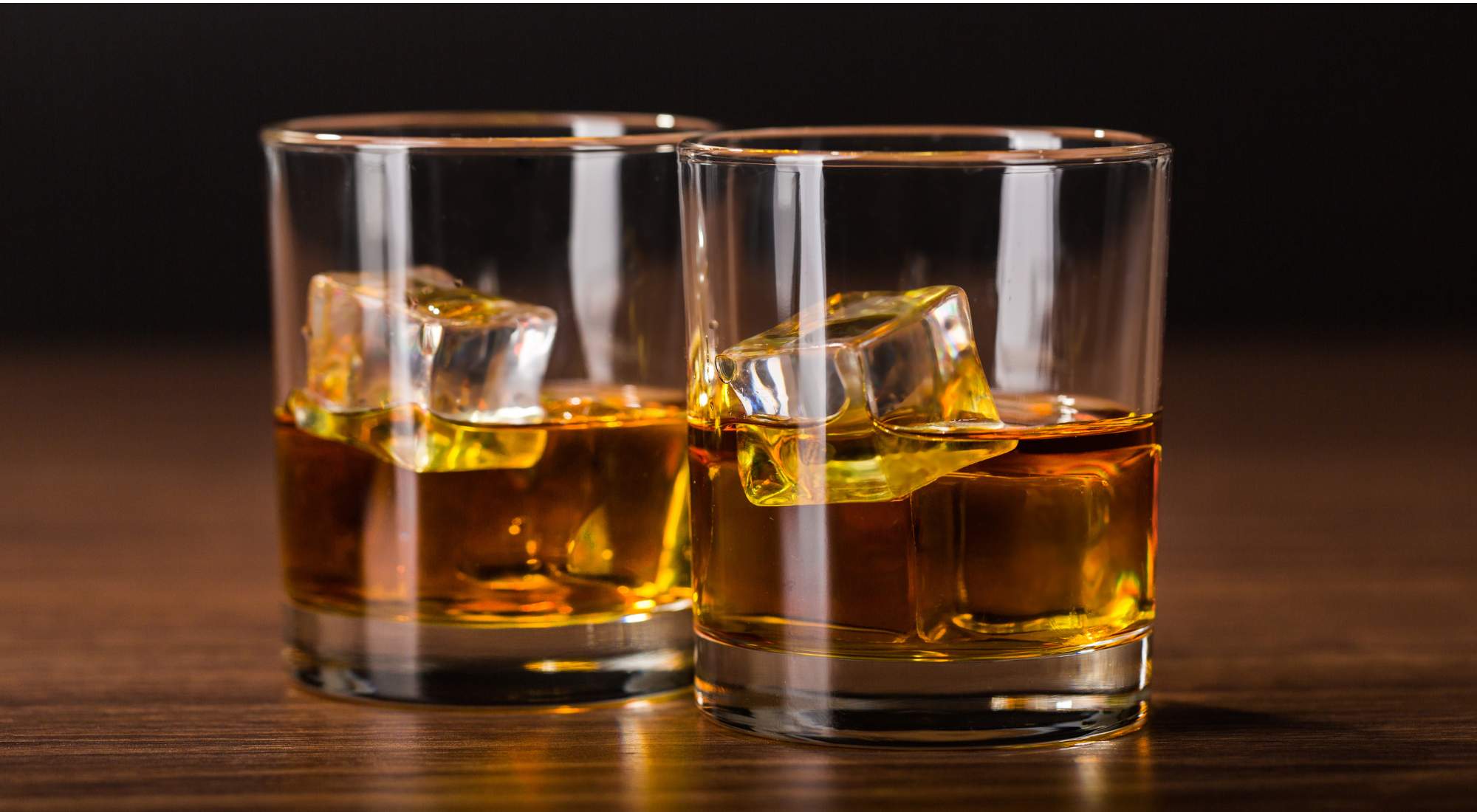
Generally, all alcohol is bad for blood pressure. Modern studies show that as few as one beer a day can have a negative impact on your blood pressure.
The worst drinks for cardiovascular health are strong alcohol, such as liquor, combined with sugary and/or high caffeine mixers. Some examples would be vodka redbull and caffeinated, high-proof malt liquors.
If your drinking is impacting your health, and you are struggling to cut down, it might be time to consider treatment for alcohol use disorder (AUD). There is no shame in this; over 28 million Americans struggle with AUD, and most need help to stop. Consider reaching out to Recovery Cove in Pennsylvania to learn more about inpatient and outpatient programs, and how our team can put you on the path to sobriety and better health.
Can Alcohol Withdrawal Cause High Blood Pressure?
Yes, there can be a temporary rise in blood pressure in alcohol withdrawal. But this is a temporary effect that usually dissipates with continued sobriety.
Don’t let a few negative side effects of alcohol withdrawal stop you from getting sober. A high-quality recovery center, like Recovery Cove, can offer medical support to ease the discomfort of withdrawal. Recovery Cove also offers emotional support and tools to get to the root of your alcohol use disorder and support you on the path to healthier, sober living.
How To Control Blood Pressure and Alcohol Consumption
Alcohol induced high blood pressure is a serious condition. It is reversible with proper treatment — but it is not harmless — and can lead to:
- Kidney problems
- Increased risk of heart disease
- Increased risk of stroke
- And more
Are you struggling to stop drinking, despite the negative impacts on your health? Feeling out of control with alcohol doesn’t always mean extremes, like blacking out or getting in trouble with the law. Problem drinking might also look like:
- Not being able to meet weekly drinking goals, such as limiting yourself to 2-4 drinks a week
- Difficulty refusing drinks at restaurants and other gathering places
- Losing a lot of time drinking and recovering from drinking, such as missing shifts or family events due to being hungover
- Not being able to cut back on drinking despite negative impacts on health, such as raised blood pressure and alcohol-related weight gain
If any of this sounds familiar, it is time to seek help for alcohol use disorder from a qualified recovery center, like Recovery Cove in PA.
Concerned About Your Blood Pressure and Alcohol Consumption? Recovery Cove Is Here To Help With Expert Care and Compassionate Support
At Recovery Cove, we know that substance use disorder is a complex, multifaceted disease. Our programs are designed to help guide you to the road of sobriety. We offer:
- Partial Hospitalization Programs (PHP): These medically-supported programs can help ease withdrawal symptoms and provide monitoring from medical professionals to ensure a smooth detox and transition to treatment. From there, patients can transition to our other programs.
- Intensive Outpatient Care: This program is between PHP and standard outpatient, and is perfect for people in recovery who do not want to do residential rehab, or prefer to stay at home, but require more monitoring and support than standard outpatient.
- Standard Outpatient: This program is perfect for people who do not need the support of PHP or intensive outpatient. At Recovery Cove, we design our outpatient program to fit your needs, perfect for people who want to continue working while attending treatment for AUD.
Are you ready to start an alcohol-free life? Reach out to Recovery Cove in Pennsylvania. We will help you find the perfect alcohol use disorder treatment plans for your needs, and we can work with your insurance company to get coverage. Contact us today.
The content in this blog is not intended to be a substitute for professional medical advice, diagnosis, or treatment. Always seek the advice of your physician or other qualified health provider with any questions you may have regarding a medical condition.