If you’ve ever made the decision to stop drinking or using substances, you might be familiar with the new worries that can begin to surface. Questions that feel impossible to ignore, like, “What damage has been done?”
Early recovery often brings physical discomfort, emotional vulnerability, and deep concern about long-term health. The liver, responsible for filtering toxins every day, carries a heavy burden during substance use. Many people in recovery fear that the damage may be permanent.
Understanding how the liver heals can offer both clarity and hope.
This article examines the liver’s self-repair process, the typical duration of healing after substance use stops, and how treatment facilitates both physical and emotional recovery.
Table of Contents
- The Liver’s Remarkable Ability To Heal Itself
- What Is the Fastest Way To Heal Your Liver?
- What Are the Four Warning Signs of a Damaged Liver?
- How Long Does It Take for Your Liver To Repair After You Stop Drinking?
- How Do I Tell If My Liver Is Healing?
- When To Seek Professional Help
The Liver’s Remarkable Ability To Heal Itself
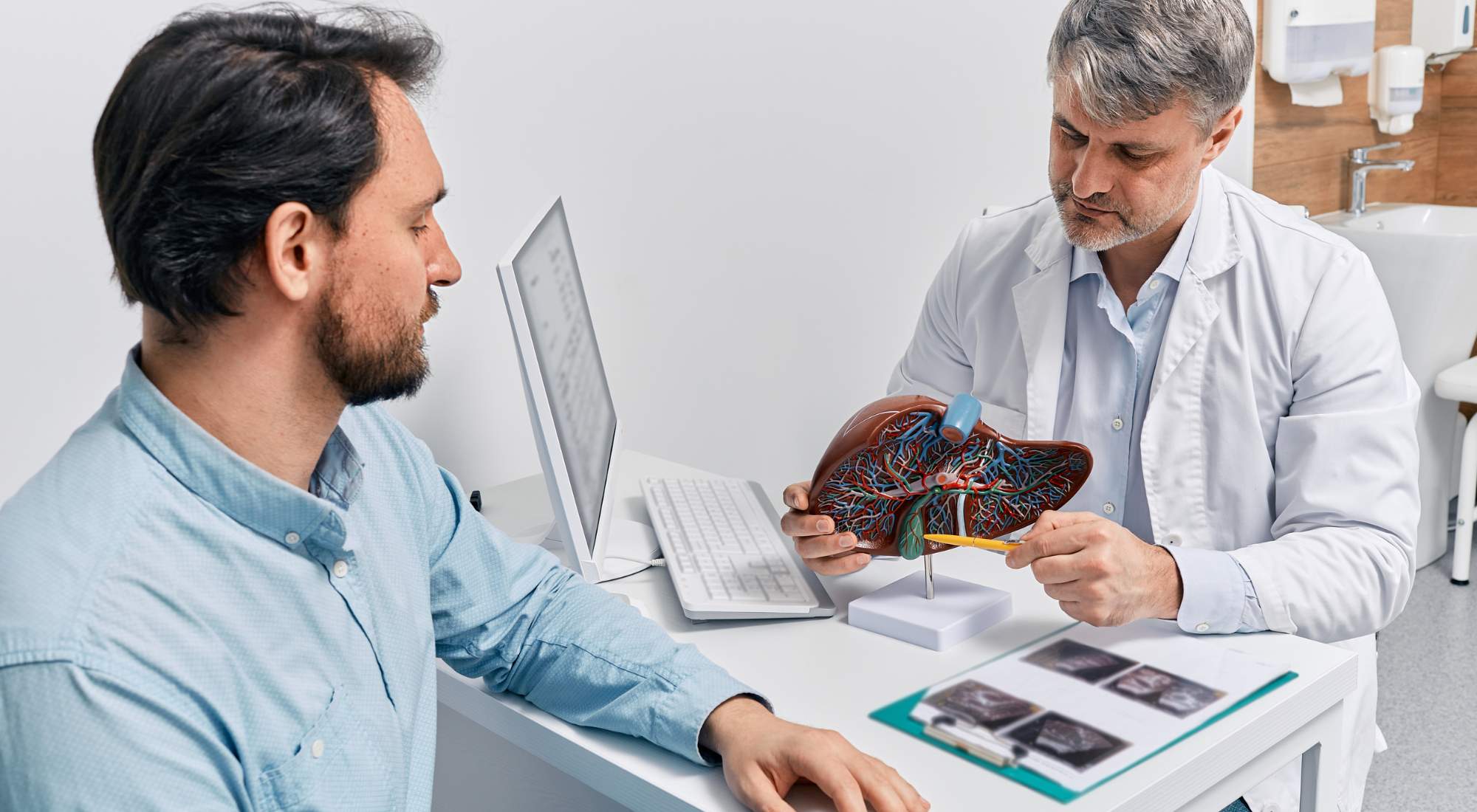
The liver is one of the few organs in the human body that can regenerate, meaning when damage occurs, healthy liver cells can grow and replace injured ones. This ability allows many people to recover from liver damage caused by alcohol or substance use, especially when harmful exposure stops early.
The liver filters toxins, processes medications, supports digestion, and regulates the metabolism of vital nutrients. During active substance use, these functions become overwhelmed. Fat buildup, inflammation, and scarring may develop. Once substance use stops, the liver often begins repairing itself as toxin levels decrease and cellular stress diminishes.
How long does it take for the liver to heal? Although the liver can regenerate, healing does not follow the same timeline for every person.
Several factors influence how well and how quickly recovery occurs:
- Extent of liver damage: Mild fat accumulation and early inflammation often reverse within weeks or months. Advanced scarring, known as cirrhosis, limits the liver’s ability to regenerate.
- Duration of substance use: Long-term alcohol or drug exposure causes deeper cellular injury that may take longer to improve.
- Underlying medical conditions: Diabetes, obesity, viral hepatitis, and autoimmune disorders place added pressure on liver function.
- Age and overall health: Younger individuals and those with fewer chronic illnesses often heal more quickly.
- Lifestyle changes: Ongoing sobriety, balanced nutrition, hydration, and medical compliance play a direct role in the liver’s ability to recover.
Liver recovery depends on lasting behavioral change. Without sobriety, damage often progresses faster than the liver can repair it. This connection makes professional substance use treatment a central part of long-term liver health for many people.
What Is the Fastest Way To Heal Your Liver?
The fastest way to support liver healing is to remove harmful substances and create a healthy, supportive environment. Key steps include stopping alcohol and substance use immediately, nourishing your liver through diet and hydration, and incorporating movement and stress management into daily life.
If you or a loved one is ready to begin recovery, consider Recovery Cove, a compassionate drug and alcohol treatment center in Pennsylvania.
Stop Alcohol and Substance Use Immediately
Alcohol is a major toxin for the liver. When consumed, it forces the liver to prioritize breaking down alcohol over other essential functions, like filtering blood, processing nutrients, and repairing damaged tissue. Continued drinking keeps the liver in a constant state of stress, preventing it from regenerating effectively.
Even moderate alcohol use can slow recovery after long-term drinking or substance use. The liver can only begin meaningful repair once toxic exposure stops. Removing alcohol and other harmful substances immediately gives liver cells the chance to rebuild and inflammation to decrease. For many, this step marks the most critical turning point in restoring liver health.
Nourish Your Liver Through Diet and Hydration
Nutrient-dense foods provide the building blocks liver cells require to rebuild and function properly.
Focus on:
- Leafy greens: Spinach, kale, Swiss chard, arugula, and romaine lettuce
- Cruciferous vegetables: Broccoli, cauliflower, Brussels sprouts, cabbage, and bok choy
- Lean proteins: Chicken breast, turkey, eggs, salmon, and tofu
- Antioxidant-rich foods: Blueberries, strawberries, raspberries, walnuts, and dark chocolate
Proper hydration also supports liver health. Water helps flush toxins, improves circulation, and aids in nutrient delivery to liver cells. Limiting processed foods, added sugars, and excessive fats reduces stress on the liver, allowing it to focus on healing.
Small, consistent dietary changes can make a big difference. Pairing a nutrient-rich diet with continued sobriety gives your liver the best chance to repair itself.

Incorporate Movement and Stress Reduction
Physical activity plays a key role in supporting liver health. Light to moderate exercise, such as walking, swimming, or gentle yoga, helps improve circulation, supports metabolism, and reduces fat buildup in the liver. Even small amounts of movement each day can make a noticeable difference over time.
Mindfulness practices and stress-reduction techniques, including meditation, deep breathing, and journaling, help regulate the body’s stress response. Chronic stress can contribute to inflammation and interfere with the liver’s ability to heal itself. Making stress management a regular part of your lifestyle provides your liver with the calm, supportive environment it needs to regenerate.
What Are the Four Warning Signs of a Damaged Liver?
#1: Persistent Fatigue or Weakness
One of the most common early signs of liver damage is persistent fatigue or weakness. When the liver is struggling, it cannot efficiently remove toxins from the bloodstream. These toxins accumulate, interfering with energy production and leaving you feeling unusually tired, sluggish, or drained – even after adequate rest.
Fatigue may appear gradually, making it easy to dismiss as normal stress or a lack of sleep. However, when low energy persists despite healthy habits, it can indicate that the liver is overworked and struggling to perform its essential functions.
#2: Jaundice (Yellowing of Skin or Eyes)
Jaundice occurs when the liver cannot process bilirubin effectively, causing this yellow pigment to build up in the blood. Elevated bilirubin often shows first in the eyes and skin, giving them a noticeable yellow tint.
This condition signals that the liver is struggling to filter waste and manage normal metabolic processes. While mild jaundice can sometimes be temporary, persistent or worsening yellowing should be evaluated by a healthcare professional promptly, as it may indicate serious liver impairment.
#3: Abdominal Pain or Swelling
When the liver is inflamed or struggling to function, fluid can accumulate in the abdomen, a condition known as ascites. This can cause discomfort, a feeling of fullness, or visible bloating.
Pain may be mild at first, but can become more noticeable as liver function worsens. It often signals that the liver is under significant stress and may be struggling to process toxins and fluids effectively.
#4: Changes in Stool or Urine Color
Dark urine or pale, clay-colored stools often signal reduced bile production, which occurs when the liver is damaged and cannot process waste optimally.
These color changes happen because bile helps carry toxins and waste out of the body. When bile flow is disrupted, waste products accumulate, leading to visible differences in urine and stool.
How Long Does It Take for Your Liver To Repair After You Stop Drinking?
Liver repair begins once alcohol or harmful substances are removed, but recovery timelines vary. Healing depends on the extent of damage, overall health, and lifestyle changes, including nutrition, hydration, and stress management.
Here are some realistic timelines to consider:
- Mild fatty liver: How long does it take for fatty liver to heal? Many people see improvement within 2–6 weeks of sobriety. Liver fat decreases, inflammation reduces, and energy levels often rise.
- Moderate liver damage: Several months of abstinence and supportive care are typically needed for noticeable improvements in function and liver enzyme levels.
- Severe liver disease (e.g., cirrhosis): While scarring may be irreversible, stopping alcohol and following medical guidance can slow progression, prevent complications, and support overall health.
Consistency matters. The longer the liver is protected from toxins and supported through healthy habits, the better the chance of meaningful recovery.
How Do I Tell If My Liver Is Healing?
Signs of healing often show in:
- Improved energy
- Normalized lab results
- Reduced jaundice
- Better digestion
Monitoring these indicators can provide reassurance and guide continued healthy habits.

When To Seek Professional Help
Seek medical attention if you experience ongoing abdominal pain or swelling, persistent jaundice (yellowing of skin or eyes), or confusion. These signs may indicate serious liver damage or complications that need immediate intervention.
If you’re struggling to maintain sobriety on your own, this can also signal the need for professional support from a treatment center, like Recovery Cove. We provide structured programs that combine medical care, counseling, and lifestyle guidance. You’ll learn to manage cravings, address underlying mental health concerns, and create a safe, supportive environment for lasting sobriety.
Recovery Cove: Supporting Liver Healing Through Addiction Recovery
Recovery Cove provides compassionate support for anyone working towards sobriety. Through medical care, counseling, and structured addiction recovery programs, we work to restore both liver health and overall well-being.
If you or a loved one is ready to take the next step toward recovery, reach out to Recovery Cove, a trusted treatment center in Pennsylvania.
The content in this blog is not intended to be a substitute for professional medical advice, diagnosis, or treatment. Always seek the advice of your physician or other qualified health provider with any questions you may have regarding a medical condition.