Table of Contents
- Exploring Ibogaine Treatment Centers for Addiction Recovery
- Fundamentals of Ibogaine Treatment
- Deep Dive into Ibogaine Therapy Effectiveness and Risks
- Practical Considerations for Choosing Ibogaine Treatment Centers
- Advanced Topics in Ibogaine Recovery and Alternatives
- Frequently Asked Questions on Ibogaine Treatment
- Navigating Recovery Beyond Ibogaine Options
Exploring Ibogaine Treatment Centers for Addiction Recovery
Addiction can feel overwhelming, trapping individuals in cycles of withdrawal and craving that disrupt daily life. Many seek innovative paths to recovery, turning to alternative therapies like those offered at ibogaine treatment centers. These facilities provide a unique option for addressing substance use disorders, particularly opioids and stimulants.
Ibogaine treatment centers specialize in administering ibogaine, a psychoactive compound derived from the root bark of the West African iboga plant. Traditionally used in Bwiti ceremonies for spiritual insight, ibogaine has been adapted in modern psychedelic addiction treatment facilities to interrupt addiction patterns through a single-dose protocol known as ibogaine detox. Research suggests its multimodal effects may reduce cravings and withdrawal symptoms, though clinical evidence remains limited and safety concerns persist due to cardiac risks.
Globally, estimates place the number of ibogaine-based recovery programs at 50 to 100, influenced by varying regulations. Concentrations exist in Mexico, Costa Rica, and parts of Europe, where oversight allows operations. In North America, availability is restricted by the FDA’s Schedule I classification, making access challenging. For instance, those wondering about ibogaine treatment centers in Montreal, Canada, face similar barriers from Health Canada’s policies, often leading seekers to international options.
This guide explores the fundamentals of ibogaine therapy, its mechanisms, and practical considerations for those curious about this approach. At Recovery Cove, we offer evidence-based outpatient alternatives through our Partial Hospitalization Program (PHP), Intensive Outpatient Program (IOP), and Medication-Assisted Treatment (MAT). These holistic programs support daily responsibilities while fostering sustained recovery in the Lehigh Valley and beyond, including addiction treatment in Pittsburgh. We believe in treating the whole person with compassionate care you can access close to home.
Fundamentals of Ibogaine Treatment
At ibogaine treatment centers, individuals seeking relief from substance use disorders explore innovative approaches rooted in natural compounds. Ibogaine, derived from the root bark of the African Tabernanthe iboga shrub, has gained attention as a psychoactive alkaloid for addressing addiction. Historically used in Bwiti spiritual ceremonies in Gabon, it entered Western awareness in the 1960s through research into its potential to interrupt addictive patterns. Today, these centers, often located in countries with more permissive regulations like Mexico, provide supervised sessions to minimize risks.
We believe in treating the whole person, which is why understanding ibogaine therapy starts with its pharmacological basics. This indole alkaloid interacts with multiple brain pathways, including serotonin, dopamine, and opioid receptors, to potentially reset neurotransmitter imbalances linked to addiction. Preclinical studies show ibogaine and its metabolite noribogaine reducing self-administration of opioids, cocaine, and alcohol by modulating glutamatergic hyperactivity and mesolimbic systems. In human observations, it may attenuate acute withdrawal symptoms and cravings, with effects lasting months in some cases. However, evidence from open-label studies remains limited by small samples and no large randomized trials, as noted in pharmacological reviews on ibogaine substance use treatment. Key effects include:
- Disruption of addiction cycles through visionary experiences during the acute phase.
- Reduction in opioid withdrawal intensity via sigma receptor agonism.
- Prolonged anti-craving action from noribogaine’s slow metabolism.
Safety concerns are significant, with risks of cardiac arrhythmias and QT prolongation requiring medical monitoring. Centers emphasize pre-screening for heart conditions and polysubstance use to mitigate fatalities reported in unregulated settings.
Operational standards in ibogaine treatment centers focus on structured protocols to ensure participant well-being. The process typically involves three phases: pre-treatment evaluation with ECGs and psychological assessments; a single-dose administration under 24/7 medical supervision; and integration therapy to process insights gained. These facilities often treat opioids, stimulants, and alcohol dependencies, though not FDA-approved in the US due to safety data gaps. Accredited centers provide holistic aftercare, including counseling and lifestyle guidance, but global regulations vary—legal in Mexico and New Zealand, restricted elsewhere.
Detox basics revolve around safely managing withdrawal while addressing psychological roots of addiction. Traditional methods rely on gradual symptom relief, whereas emerging protocols like psychedelic detox aim for rapid interruption. The following table highlights key differences:
| Aspect | Ibogaine Treatment | Traditional Detox |
|---|---|---|
| Mechanism | Psychedelic interruption of addiction cycles via neurotransmitter reset | Gradual medication taper and symptom management |
| Duration | Single-session, 24-48 hours | 5-10 days in facility |
| Support | Holistic integration therapy post-dose | Medical monitoring and counseling |
Ibogaine’s approach offers a condensed timeline appealing for quick resets, yet its experimental status contrasts with established traditional methods backed by extensive clinical data. While promising for severe cases, we recommend consulting healthcare professionals, as cardiac risks underscore the need for caution over unproven innovations.
Building on these comparisons, recovery pathways extend beyond single interventions. For sustained support, consider evidence-based options like those at Recovery Cove, where our holistic approach integrates CBT, MAT, and group therapy for opioid recovery. Mindfulness practices, shown to manage cravings and stress without safety concerns, complement quitting efforts—studies indicate they enhance emotional regulation and reduce relapse triggers. As a safer alternative, our outpatient programs in Pennsylvania emphasize long-term resilience.
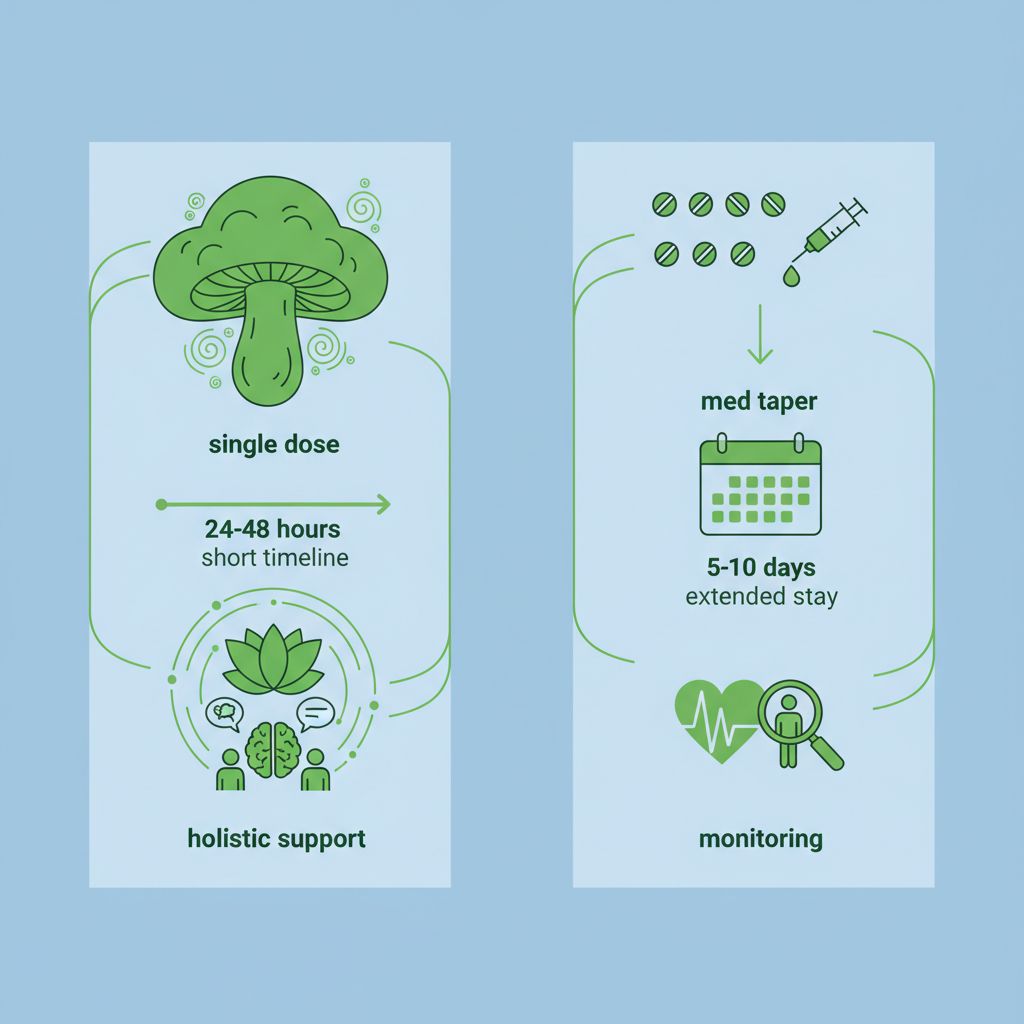
Ibogaine vs traditional detox methods side-by-side comparison
This foundational overview sets the stage for deeper exploration of efficacy and accessibility, reminding us that true healing involves comprehensive, personalized care.
Deep Dive into Ibogaine Therapy Effectiveness and Risks
Ibogaine therapy has garnered attention as a potential ibogaine reward system recovery tool for addiction, particularly opioid dependence. At Recovery Cove, we prioritize evidence-based approaches in our dual-diagnosis programs, but understanding emerging treatments like ibogaine can help inform your recovery journey. This section explores its mechanisms, risks, and comparisons to conventional methods, always with an eye toward safe, accessible care.
How Ibogaine Targets Addiction Pathways
Ibogaine, derived from the African iboga plant, interacts with multiple neurotransmitter systems to address addiction at its core. It primarily targets opioid receptors, serotonin, and dopamine pathways, potentially resetting the brain’s reward circuitry disrupted by chronic substance use. Studies, including those from Frontiers in Pharmacology, indicate that ibogaine metabolites like noribogaine bind to these receptors, reducing withdrawal symptoms and cravings by modulating the brain’s response to opioids.
Research shows promising results, with some trials reporting 50-80% reductions in opioid withdrawal severity shortly after administration. This rapid intervention may interrupt the cycle of dependence by promoting neuroplasticity, allowing individuals to experience a “reset” in their addiction pathways. For instance, the psychedelic experience induced by ibogaine often leads to introspective insights, which participants describe as a hallucinogenic addiction reset. However, these findings come from small-scale studies, and we at Recovery Cove emphasize integrating such insights with our medication-assisted treatment (MAT) and therapy for sustained recovery.
In our programs, we focus on holistic approaches that support similar reward system recovery through evidence-based therapies like cognitive behavioral therapy (CBT) alongside MAT. While ibogaine shows potential for quick craving mitigation, larger clinical trials are needed to confirm long-term efficacy. This neuroscience-backed mechanism highlights why exploring options like ibogaine therapy remains a topic of interest, though availability is limited in the U.S.
Evaluating Risks and Safety Protocols
While ibogaine therapy offers intriguing benefits, its risks cannot be overlooked, particularly for cardiac health. The substance can cause QT prolongation, increasing the risk of arrhythmias, which is why thorough pre-screening for heart conditions is essential. Contraindications include pregnancy, certain psychiatric disorders, and concurrent use of medications affecting heart rhythm. Psychological effects, such as intense hallucinations and emotional processing, can also be overwhelming, necessitating supervised environments.
In specialized ibogaine treatment centers, safety protocols involve continuous cardiac monitoring, often with EKGs and IV fluids during the 24-48 hour treatment window. Real-world insights from interviews, like those with providers in Mexico, underscore the importance of preparation, including diagnostic tests, to mitigate these dangers. For ibogaine detox, participants may experience nausea, ataxia, and prolonged visions, which require experienced medical oversight.
At Recovery Cove, we believe in safer, outpatient monitoring options through our dual-diagnosis care and psychiatric medication management. Our team, led by experts like Dr. Kurt Braun, ensures comprehensive assessments without the high-risk elements of unregulated therapies. We integrate trauma therapy and group support to address similar pathways more gradually, prioritizing your safety in every step of recovery.
Studies on ibogaine highlight significant limitations, including small sample sizes, lack of placebo controls, and variability in dosing, which complicate direct comparisons. These gaps underscore the need for caution when evaluating emerging treatments.
| Factor | Ibogaine Therapy | Traditional Rehab |
|---|---|---|
| Efficacy for Opioids | Potential rapid withdrawal reduction | Gradual, evidence-based with high success |
| Risks | Cardiac events, hallucinations | Manageable with medical oversight |
| Accessibility | Limited, international travel often required | Local, insured outpatient options available |
This table illustrates key differences, but balanced approaches like those at Recovery Cove combine MAT, IOP, and PHP for effective, low-risk outcomes. We prefer structured programs that build long-term resilience, avoiding the uncertainties of single interventions while citing evidence from established trials.
For global availability, regulations vary widely, impacting access to ibogaine therapy in Canada or elsewhere. In places like Montreal, exploratory use occurs under medical supervision, but U.S. federal scheduling as a controlled substance restricts domestic options.
| Location | Regulatory Status | Average Cost | US Resident Notes |
|---|---|---|---|
| Mexico | Legal clinics | $5,000-$10,000 | Popular medical tourism hub |
| Canada (Montreal) | Restricted | $8,000+ | Research-focused access |
This comparison draws from international reports, emphasizing why local programs prevail for most. We at Recovery Cove offer accessible addiction treatment in Pittsburgh and surrounding areas, focusing on proven methods without travel risks.
Ibogaine vs. Conventional Rehab Methods
Ibogaine therapy’s single-dose intensity contrasts sharply with conventional rehab’s multi-week models, offering a rapid withdrawal intervention but with evidence gaps. While ibogaine may provide an initial reset, traditional approaches like our IOP and PHP at Recovery Cove emphasize ongoing therapy, counseling, and MAT for deeper behavioral change. Studies show higher long-term abstinence rates in structured programs, up to 60% at one year, compared to ibogaine’s shorter follow-up data.
Veteran applications of ibogaine, such as for PTSD-linked addiction, show promise in interviews, but require caution due to limited U.S. trials. Conventional rehab benefits from robust data and insurance coverage, making it more practical. We integrate holistic elements like yoga and nutritional counseling to support whole-person healing, bridging any gaps in rapid methods.
Ultimately, while ibogaine sparks interest, our evidence-based continuum ensures comprehensive care you can trust.
Practical Considerations for Choosing Ibogaine Treatment Centers
When exploring options for ibogaine treatment centers, it’s essential to weigh practical factors like location, costs, and how these fit into your overall recovery journey. We help clients navigate these choices with a focus on safety and accessibility, ensuring you make informed decisions that align with your needs. While ibogaine shows promise for interrupting addiction cycles, especially for opioid withdrawal, combining it with local support can enhance long-term success. Our approach at Recovery Cove emphasizes a holistic view, where we believe in treating the whole person through evidence-based care.
Assessing Center Locations and Accessibility
Selecting the right ibogaine treatment center starts with evaluating where options are available, as accessibility plays a key role in your decision. For many seeking ibogaine therapy near me, searches often lead to international destinations due to U.S. restrictions. Mexico stands out as a primary hub for US residents, with legal clinics offering supervised treatments in medical tourism spots like Tijuana or Cancun. These facilities draw Americans for their relatively straightforward access, as highlighted in personal journeys shared by advocates like Americans for Ibogaine.
In Canada, options are more limited, particularly in Montreal, where Health Canada imposes strict regulations on psychedelics. While proximity appeals to those in the northern U.S., few centers operate openly, often focusing on research rather than broad clinical use. This scarcity means longer wait times or travel to border areas, underscoring the need for thorough verification.
When choosing, consider travel logistics, visa requirements, and support for international patients. Key criteria include clinic accreditation, staff qualifications, and emergency protocols. The following table outlines accessibility for major locations:
| Aspect | Ibogaine for Veterans | Recovery Cove Alternatives |
|---|---|---|
| Focus | PTSD and opioid co-occurring | Dual-diagnosis with trauma therapy |
| Access | International clinics | Local, insured outpatient |
| Support | Post-treatment integration | Group and alumni programs |
This comparison reveals Mexico’s appeal for its established infrastructure, though travel adds complexity for US residents. Challenges like border crossings and varying care standards highlight why many turn to local alternatives. For those preferring community-based options, we offer accessible outpatient programs that avoid international hurdles, providing steady support without leaving home.
Cost, Safety, and Preparation Steps
Understanding the financial and safety aspects of ibogaine detox is crucial before committing. Average costs for ibogaine treatment centers range from $5,000 to $15,000, covering the intensive session, medical monitoring, and sometimes lodging. These figures often exclude travel, which can add $500 to $2,000 depending on the destination. In contrast, insured outpatient care through providers like ours keeps expenses lower and predictable, with many plans covering sessions fully.
Safety evaluations are non-negotiable; reputable psychedelic recovery clinics require full medical histories, EKGs, and psychological assessments to mitigate risks like cardiac issues. We advise checking for on-site medical staff and follow-up care protocols. Preparation involves tapering substances, hydration, and mental readiness, often guided by pre-treatment counseling.
To break down expenses further, here’s a comparison of common financial considerations:
| Expense Item | Ibogaine Clinic (Intl) | Outpatient (Local) |
|---|---|---|
| Program Fee | $5,000 – $15,000 | Insurance-based |
| Travel/Airfare | $500 – $2,000 | Minimal |
| Total Est. Out-of-Pocket | $6,000+ | Copay only |
These breakdowns, informed by traveler accounts and clinic reports, show how location influences out-of-pocket spending. For ibogaine therapy preparation, follow these steps:
- Consult a physician for baseline health checks.
- Research clinic reviews and success rates neutrally.
- Plan for post-treatment rest and integration support.
By prioritizing safety checklists, you reduce uncertainties, and pairing with local addiction treatment in Pittsburgh options ensures continuity without high travel costs.
Integrating with Broader Recovery Plans
Ibogaine detox can interrupt withdrawal, particularly for heroin or opioids, but it thrives within a comprehensive plan. Post-treatment aftercare is vital, addressing psychological insights gained during the experience without assuming standalone success. We support clients by integrating these elements into ongoing programs like our Intensive Outpatient Program (IOP) and alumni networks, fostering sustained recovery.
For veterans, as seen in stories of transformative journeys, ibogaine may complement trauma therapy, though access remains challenging. Our first-responder program offers tailored virtual services and group sessions, aligning with the “Heal. Grow. Connect. Live.” ethos. You are not alone and this is not the end of your story; combining international detox facilities with local evidence-based care builds resilience.
Transitioning to advanced applications, such as veteran-specific protocols, underscores the value of flexible, insured outpatient paths for real-world integration.
Advanced Topics in Ibogaine Recovery and Alternatives
At Recovery Cove, we recognize that advanced recovery pathways can offer profound insights for those grappling with complex addictions. Ibogaine therapy, a plant-derived treatment, shows promise in resetting the brain’s reward pathways, potentially aiding long-term abstinence from opioids. This mechanism involves interrupting addiction cycles through neuroplasticity, where the substance influences serotonin and dopamine systems to reduce cravings. Research suggests ibogaine may promote a “reset” in neural circuits, fostering neuroplasticity-focused recovery that supports sustained change. We believe in treating the whole person, integrating evidence-based approaches to build on such mechanisms without relying on unproven interventions.
When exploring applications, ibogaine therapy has been anecdotally linked to success stories among individuals seeking alternatives to traditional detox. For instance, some report lasting relief from opioid dependence after a single session, highlighting its potential in specialized ibogaine treatment centers abroad. These narratives, while inspiring, underscore the need for caution, as outcomes vary. For first responders and veterans, adaptations focus on co-occurring PTSD and substance use. Ibogaine therapy veterans like Sam Juan describe intense, transformative experiences that interrupted years of self-medication, leading to renewed purpose. However, access often requires international travel to clinics, and post-treatment integration remains crucial.
Veterans and first responders face unique trauma layers that demand specialized care. Their experiences with moral injury and high-stress environments often lead to dual-diagnosis challenges, requiring tailored support beyond standard programs.
| Care Component | Ibogaine Approach | Recovery Cove Model |
|---|---|---|
| Trauma Focus | Visionary introspection | Evidence-based trauma therapy |
| Timeline | Rapid interruption | Sustainable continuum of care |
| Medical Risk | Higher (cardiac risk) | Low (monitored outpatient) |
This comparison illustrates key differences, drawing from veteran journeys and our clinician expertise. While ibogaine offers innovative potential, Recovery Cove’s alternatives provide accessible, holistic care right here in Pennsylvania, emphasizing evidence-based therapies like trauma-focused sessions and MAT. We prioritize local support to ensure seamless integration, favoring outpatient options that fit real-life demands without the risks of travel or experimental treatments.
Despite promising applications, challenges persist in ibogaine detox, including limited research, potential cardiac risks, and the need for robust aftercare. Integration demands post-psychedelic support to process visions and sustain gains. At Recovery Cove, we offer comprehensive programs to address these gaps, empowering clients with tools for enduring recovery. You are not alone and this is not the end of your story.
Frequently Asked Questions on Ibogaine Treatment
What is ibogaine therapy? Ibogaine therapy is a psychedelic option derived from a plant root, often explored for interrupting addiction cycles, particularly opioids. It aims to reset brain chemistry but requires medical supervision due to potential risks.
Is ibogaine detox safe? Ibogaine detox can be risky, with possible heart complications and intense psychological effects. We recommend safer, evidence-based approaches like our medication-assisted treatment at Recovery Cove for secure opioid detox.
Where can I find ibogaine treatment centers? Ibogaine treatment centers are mainly in locations like Mexico or options in Montreal, Canada, where regulations allow this therapy. Always verify credentials for safety.
How does ibogaine compare to traditional rehab? Unlike traditional rehab’s gradual counseling and therapy, ibogaine offers rapid detox but lacks long-term support. Our holistic outpatient programs at Recovery Cove provide comprehensive care for sustained recovery.
What are the costs of ibogaine treatment? Costs for ibogaine therapy typically range from $5,000 to $10,000 per session, varying by facility and duration. We encourage exploring insured outpatient services for more affordable paths.
We’re here to help with personalized guidance. Consult our team at Recovery Cove for professional advice on effective recovery options.
Navigating Recovery Beyond Ibogaine Options
We’ve journeyed through ibogaine treatment centers around the world, covering the basics of ibogaine therapy, the realities of ibogaine detox, practical tips for choosing providers, and advanced considerations for safe use. Informed decision-making remains essential, so always consult professionals to explore if this path aligns with your recovery goals.
Key takeaways emphasize balancing potential benefits with risks, while embracing alternative recovery models like our evidence-based outpatient programs. At Recovery Cove, our multidisciplinary team supports sustainable healing through a full continuum of care, including Partial Hospitalization Program (PHP), Intensive Outpatient Program (IOP), and Medication-Assisted Treatment (MAT).
We invite you to contact our 24-hour helpline at 484-549-2683 for compassionate, personalized guidance toward lasting wellness. You are not alone—Heal. Grow. Connect. Live.
Resources
- Discover Flexible Outpatient Addiction Treatment in Pennsylvania
- Explore Comprehensive Dual-Diagnosis Recovery Programs Today
- Access Accredited Trauma Therapy for Substance Recovery
- Get MAT Buprenorphine Support for Opioid Withdrawal Relief
- Find Holistic Outpatient Care at Recovery Cove Center
- Learn Mindfulness Practices for Opioid Craving Management
- Meet Expert Team for Dual-Diagnosis Addiction Support
- Explore Ibogaine’s Therapeutic Potential for Addiction Treatment
- Follow Veteran’s Transformative Ibogaine Journey for Healing
- Understand Ibogaine’s Impact on Reward System Recovery
- Trace Patient’s Ibogaine Addiction Treatment in Mexico
- Hear Insights on Ibogaine for PTSD and Addiction