Grinding your teeth, slamming doors, and speaking harshly are just a few signs of anger. When alcohol is involved, these behaviors may come more readily to the fore, or they may escalate into all-out rage or even violence.
Anger’s impulses rarely bring satisfaction, and when they do, it’s short-lived. Stop anger in its tracks before it has the chance to wreak havoc in your life.
Recovery Cove details how you can identify whether alcohol is contributing to anger issues in your life and how you can learn to put out the fire.
Table of Contents
- What Is Alcoholic Rage Syndrome?
- 5 Signs Alcoholic Rage Syndrome Is Affecting Your Daily Life
- Find Peace, Healing, and Hope Again at Recovery Cove
What Is Alcoholic Rage Syndrome?
When alcohol diminishes a person’s inhibitions and ability to regulate their emotions, they may become angry, irritable, or aggressive. This is called alcoholic rage. It doesn’t affect every person who drinks alcohol, but the phenomenon is common enough to warrant care when deciding whether drinking alcohol is wise.
Anyone who becomes angry, aggressive, or emotionally volatile under the influence of alcohol may be referred to as a “raging alcoholic.” While this is not a medical diagnosis, it helps to emphasize the source of the unpleasant and damaging behaviors associated with uncontrolled anger elicited by alcohol use.
Recovery Cove can answer your specific questions about alcohol’s influence on your mental state. Contact us today to learn about receiving guidance for dealing with alcohol rage and alcohol use.
Physical Causes: How Alcohol Changes the Brain
Chronic alcohol use can cause long-term brain damage because of its effect on the following:
- Prefrontal cortex: Diminished executive function leads to poor decision-making, planning, and risk evaluation.
- Extended amygdala: Dysregulation of this brain region leads to a disturbed affect, which may manifest as anxiety, depression, or stress.
- Neurotransmitters: Disruption of the natural release or inhibition of various neurotransmitters leads to difficulty regulating moods.
- GABA: Temporary increase of this inhibitory chemical brings about relaxation and decreased anxiety, but long-term alcohol consumption leads to decreased sensitivity to this important neurotransmitter and thus difficulty banishing anxiety.
- Glutamate: Decrease of this excitatory neurotransmitter also facilitates sedation, but chronic alcohol use leads to the brain’s attempt to compensate by increasing glutamate’s activity.
- Dopamine and serotonin: Release of these chemicals is responsible for the euphoric, happy feelings and reduced inhibitions associated with alcohol consumption in the short term. Chronic use, however, leads to increased tolerance and thus diminished response to the same amount of alcohol.
Alcohol-induced disruption of the brain’s natural functions creates difficulty regulating emotions while under the influence, but it may extend even to moments of sobriety. An individual who has become dependent on alcohol may be emotionally volatile even while sober.
Psychological Causes: The Emotional Triggers Behind the Rage
As the chemicals in the brain are thrown into dysregulation, meanwhile, the mind has its own chaotic content unique to the individual’s circumstances that is vying for attention. A weakened ability to process emotions can lead to further stress as the person seeks to cope through alcohol consumption.
These feelings and others, such as those produced by trauma, guilt, and insecurity, may surface with greater intensity as the person loses inhibition.
Shame and frustration at having become enmeshed in addiction may strengthen bad feelings and lead to more chronic drinking and greater emotional instability.
5 Signs Alcoholic Rage Syndrome Is Affecting Your Daily Life
Recognizing the physical and psychological signs, symptoms, and behaviors is important to breaking the cycle of addiction and defusing the rage associated with it. If you notice the following symptoms in yourself or a loved one, Recovery Cove can help.
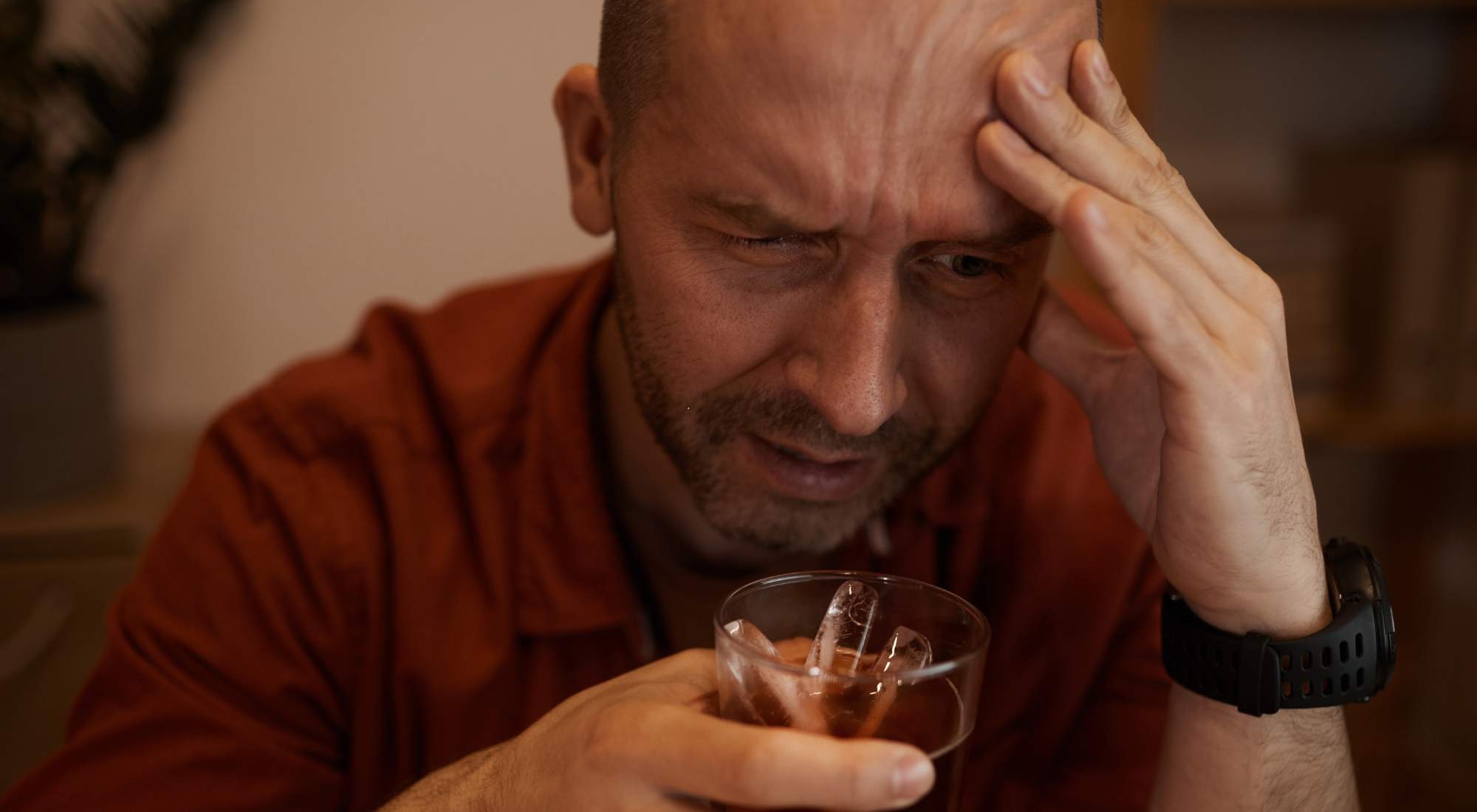
#1: Intense Anger or Aggression While Drinking
We all know the feeling of anger creeping up into our awareness. Sometimes it’s strong enough to suffocate any positive feeling, and we find it difficult to even speak without venom in our voice.
This is, one hopes, a rare occasion. But for the person with alcoholic rage syndrome, it might be a daily occurrence. The heart begins to race, the muscles tense, and the face flushes. Before you know it, you’re becoming aggressive at the slightest provocation and end up losing control and getting loud enough to make the room go quiet.
You might feel a sense of relief once you’ve expressed your anger in words or violence, but then guilt seeps in to take its place. If this happens while you drink alcohol, there is strong evidence that alcohol may be becoming a major problem in your life.
#2: Irritability and Mood Swings
The emotional weight of rage, especially when carried for a long period of time, can be fatiguing. You may experience trouble sleeping, sudden fatigue after a particularly unpleasant episode of rage, or an irregular appetite. Anger is a fight response that takes much of your body’s focus away from natural processes such as sleep and digestion.
Lack of sleep and adequate nutrients, in turn, can make you more irritable and subject to mood swings. In this state, you may be increasingly sensitive to stressful occurrences, such as logistical difficulties or criticism from others. Sensitivity to the latter may cause you to erupt with defensiveness that blossoms into frustration when you have difficulty expressing your emotions.
Being irritable and susceptible to rapid fluctuations in mood can put severe stress on relationships and contribute to more stress drinking.
#3: Memory Gaps and Regret
Alcohol can interrupt the formation of memories, especially when a person experiences a rapid increase in blood alcohol concentration, such as when drinking on an empty stomach, too rapidly, or too much.
During alcohol-induced rage, emotions are running high, and cognitive processing is not at its finest. Headaches, confusion, grogginess, and disorientation are some of the symptoms indicating that memory consolidation is not proceeding normally.
Once an individual becomes aware of past behaviors, he or she may feel intense guilt or even hopelessness about what happened. Do you often realize you have gaps in your memory after drinking and come to regret having drunk? Recovery Cove can help you begin to address the underlying cause(s) of these disagreeable experiences.
#4: Emotional Volatility During Sobriety
Alcoholic rage syndrome may leave a person feeling as if they’re constantly on the verge of an explosion of anger. It might take just a small stimulus to trigger the explosion. Once it happens, the individual may begin sweating, shaking, or have a racing heartbeat and difficulty staying still.
Feeling this way consistently may give way to persistent numbness or sadness, punctuated by outbursts of anger or panic, even while sober.
Recovery Cove understands the distress of living with such an infirmity and aims to help afflicted individuals find restoration and peace in their lives.
#5: Strained or Damaged Relationships
We know how much stress the occasional quarrel puts on our relationships. A coming-clean moment and a heartfelt apology may be all it takes to reconcile the breach. But in relationships harmed by alcoholic rage syndrome, it might not be that simple, as its effects are often more serious and longer-lasting.
A heightened stress response in the afflicted individual and in their friends and loved ones may complicate communication. Injuries caused by anger-induced conflicts may make trust difficult to reestablish. Moreover, real and perceived rejection and/or abandonment by either party as a result of decisions and behaviors surrounding alcohol use inflict psychological damage that can be hard to work through as the relationship moves forward.
Recovery Cove is committed to helping not only individuals struggling with alcohol addiction but also their friends and families. Everyone affected by the struggling individual may benefit from professional guidance by experienced therapists who can point them to restored peace.

Find Peace, Healing, and Hope Again at Recovery Cove
With locations in New Jersey and Pennsylvania, Recovery Cove serves people dealing with all kinds of addiction, from alcohol to opiates, and with any level of need, from outpatient to partial hospitalization services.
Substance abuse has profound effects, both physical and psychological. Our professional team understands that a healthy mind is the best guarantee of success in overcoming addiction, so we place a lot of emphasis on pursuing the restoration of mental health.
If you or a loved one is in the grip of alcoholic rage syndrome, call Recovery Cove today and learn how we can help you kickstart and sustain recovery.
The content in this blog is not intended to be a substitute for professional medical advice, diagnosis, or treatment. Always seek the advice of your physician or other qualified health provider with any questions you may have regarding a medical condition.