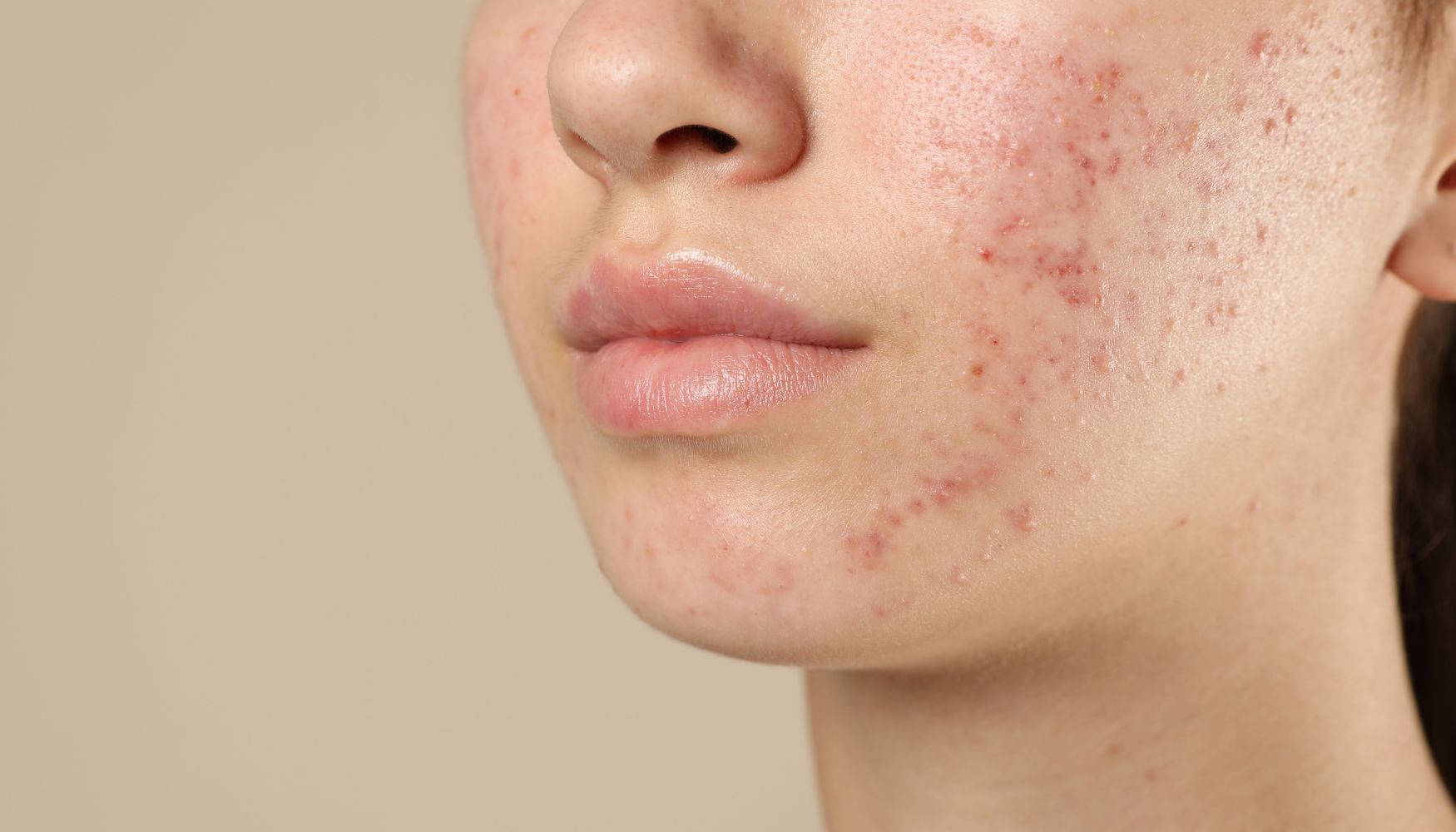
A night of drinking can leave more than a lingering headache. For many people, the real surprise shows up the next morning – new pimples, redness, or a breakout that seems to appear every time alcohol is involved. It’s enough to make you wonder if drinking alcohol causes acne, and why some breakouts seem to appear every time alcohol is involved.
Understanding what alcohol does beneath the surface can offer clarity. When you know how drinking affects hormones, hydration, and inflammation, it becomes easier to see why breakouts may follow – and what you can do about it.
In this article, we’ll break down the relationship between alcohol and acne, explore whether drinking can trigger breakouts or even cystic acne, and explain how overconsumption can influence overall skin health. We’ll also touch on when alcohol’s impact may go beyond your complexion and where to find support here in the Lehigh Valley if you need it.
Table of Contents
- Does Alcohol Cause Acne?
- 6 Effects of Alcohol That May Indirectly Contribute to Acne Breakouts
- Does Cutting Out Alcohol Help Acne?
- Let the Professionals at Recovery Cove Guide You Through Alcohol Use Treatment So You (and Your Skin) Can Feel Refreshed
Does Alcohol Cause Acne?
While there’s no direct scientific link, drinking can set off a chain reaction in the body that makes breakouts more likely – especially if you’re already prone to skin issues.
Here are several ways alcohol may indirectly contribute to acne or worsen existing breakouts:
- Increases inflammation, which can make blemishes more red, painful, or persistent
- Disrupts hormone balance, potentially triggering excess oil production
- Weakens the immune system, reducing the body’s ability to fight acne bacteria
- Dehydrates the skin, leading to irritation or compensatory oiliness
- Raises stress levels, especially with heavy or frequent drinking
- Impacts sleep quality, which plays a crucial role in skin repair and healing
Together, these effects don’t make alcohol the root cause of acne – but they can influence how your skin looks and feels. Understanding these connections can help you make informed choices about your health, your skincare, and your relationship with drinking.
For guidance on managing alcohol use and supporting overall wellness, Recovery Cove in Easton, PA, offers compassionate programs tailored to your specific needs.
Do Certain Types of Alcohol Trigger Acne?
Not all alcoholic beverages affect the skin in the same way.
Research suggests that some types of alcohol – red wine, for example – may be more likely to trigger skin reactions such as rosacea. However, it’s important to note that alcohol by itself isn’t enough to cause inflammatory skin conditions like acne. Certain drinks may exacerbate existing acne in some people, particularly when combined with other contributing factors such as hormonal changes, stress, or dehydration.
While more research is needed to understand the specific effects of different alcoholic beverages on acne, paying attention to your body’s response after drinking can help you identify potential triggers and make choices that support clearer skin. Alcohol use treatment can lead to a healthier life and healthier skin.
6 Effects of Alcohol That May Indirectly Contribute to Acne Breakouts
#1: Dehydration
Alcohol acts as a diuretic, causing the body to lose water more quickly and leading to dehydration. When the skin becomes dry, it can trigger an overproduction of oil (sebum) to compensate, which may clog pores and contribute to acne breakouts.
Dehydration can also impair the skin’s natural barrier, leaving it more vulnerable to irritation and inflammation– both of which can worsen existing acne. By understanding this effect, it becomes clear that maintaining proper hydration is an important step in supporting skin health, especially if alcohol consumption is frequent.
#2: Inflammation
Drinking alcohol can trigger inflammation in the body, which can in turn worsen acne or make breakouts more likely:
- Research shows that when the body metabolizes alcohol, it can create biochemical stress – including production of inflammatory cytokines and oxidative stress – which may inflame skin tissues and aggravate acne-prone skin.
- Especially when alcohol is combined with sugary mixers or high‑sugar drinks, the added sugar can spark further inflammatory responses and skin irritation – both known triggers for acne flare‑ups.
Because acne – including cystic acne – often involves an inflammatory process, alcohol’s pro‑inflammatory effects can contribute to forming or worsening such lesions, answering in part the question of whether alcohol causes cystic acne.
#3: Hormone Imbalances
Alcohol can disrupt your body’s hormonal balance – and for skin that’s already acne‑prone, this disruption can tip the scales toward breakouts:
- Alcohol can shift hormone levels such as estrogen, and sometimes testosterone or other androgens, depending on sex and drinking patterns.
- These hormonal shifts may stimulate the skin’s oil (sebum) glands, leading to excess oil production – and when excess oil mixes with dead skin cells or bacteria, clogged pores and acne breakouts become more likely.
Because acne often involves a combination of excess oil, clogged pores, and hormonal triggers, changes in hormone levels induced by alcohol can indirectly contribute to acne, helping explain why alcohol causes acne and why some people experience more persistent breakouts.

#4: Reduced Immune System Functionality
Frequent or heavy alcohol consumption can impair the immune system, reducing its ability to fight off bacteria, regulate inflammation, and maintain healthy skin:
- Alcohol can inhibit the activity of immune cells such as neutrophils, macrophages, T‑cells and B‑cells, which are critical for identifying and destroying pathogens and controlling inflammation.
- When immune‑cell function is weakened, the skin becomes more vulnerable to bacterial infections or overgrowth of acne‑causing microbes – and healing or inflammation control may be compromised, increasing the likelihood of breakouts or worsening existing acne.
In essence, alcohol‑related suppression of immune defenses can make it harder for skin to maintain a healthy, balanced state – which may indirectly contribute to acne or make breakouts more frequent or severe.
#5: Buildup of Toxins
When you drink alcohol, your body works to break down ethanol, mainly in the liver. During that process, your body produces metabolic by‑products – like acetaldehyde – which are toxic and must be eliminated:
- If the liver becomes overwhelmed – for example with frequent or heavy drinking – it may struggle to filter out all toxins effectively. Some of those toxins may then be expelled through alternative pathways, including the skin, which can impair skin health.
- Toxin buildup often comes with oxidative stress and reduced antioxidant defense in the skin. This may damage skin cells, weaken the skin barrier, and create an environment more prone to inflammation, clogged pores, or acne breakouts.
In short, when alcohol overloads your body’s detox and filtration systems, the resulting buildup of toxins – and the stress they place on your skin – can indirectly increase the risk of acne or worsen existing breakouts.
#6: High Sugar Levels
Many alcoholic drinks – especially cocktails, mixed drinks, and sweet wines – contain high levels of sugar. Consuming sugar can spike blood glucose and insulin levels, which in turn may trigger hormonal responses that increase oil production and inflammation in the skin:
- Elevated insulin and blood sugar levels can stimulate sebum glands, contributing to clogged pores and creating a favorable environment for acne-causing bacteria.
- Combined with alcohol’s other effects – such as dehydration and inflammation – sugar in alcoholic drinks can amplify skin irritation and breakouts, particularly in those already prone to acne.
For these reasons, high-sugar alcoholic beverages may indirectly worsen acne and make it more difficult to maintain clear, healthy skin.
Does Cutting Out Alcohol Help Acne?
While there’s no direct scientific correlation, for people wondering if drinking alcohol causes acne, reducing or eliminating alcohol can help improve skin health. By cutting out alcohol, you reduce inflammation, dehydration, hormonal fluctuations, and other acne-triggering effects, which may lead to fewer breakouts and clearer skin.
For individuals struggling with both alcohol use and skin concerns, professional support can make all the difference. At Recovery Cove in Easton, PA, our compassionate programs provide guidance for healthier lifestyle changes, including reducing alcohol consumption. Taking this step not only benefits your skin but can also improve overall physical and mental health.
Considering the potential positive effects on your complexion and well-being, exploring professional resources and making informed choices about alcohol use can be an important part of your journey toward clearer skin and healthier habits.

Let the Professionals at Recovery Cove Guide You Through Alcohol Use Treatment So You (and Your Skin) Can Feel Refreshed
Struggling with alcohol use doesn’t just affect your health – it can also impact your skin, mood, and overall quality of life. At Recovery Cove in Easton, PA, our experienced team offers compassionate, evidence-based treatment for substance use and mental health challenges.
With specialized programs for first responders and veterans, we provide personalized support to help you reduce or eliminate alcohol, restore balance, and take steps toward healthier skin and a healthier life. Partnering with Recovery Cove means gaining guidance, accountability, and care every step of the way, so you can feel refreshed both inside and out.
Taking the first step today can make a tangible difference – not just for your skin, but for your overall wellbeing and future.
The content in this blog is not intended to be a substitute for professional medical advice, diagnosis, or treatment. Always seek the advice of your physician or other qualified health provider with any questions you may have regarding a medical condition.