Table of Contents
Finding a Depression Therapist in Allentown, PA
In the Lehigh Valley, depression affects thousands, with rising demands for specialized care amid everyday stresses. Finding a depression therapist in Allentown, PA, can be a vital step toward relief, as local resources address the emotional challenges many residents face. According to Psychology Today, over 50 depression specialists are listed in the area, highlighting the availability of targeted support for those navigating mental health hurdles.
Recovery Cove, based in Easton, PA, stands out as a trusted outpatient provider offering integrated mental health and addiction treatment. They also serve nearby communities and are recognized as a Mental Health Provider in Bethlehem PA. Their personalized approach combines therapy for depression with substance use support, ensuring comprehensive care for Allentown-area mental health needs. As a mental health therapist in Allentown, PA, equivalent service, they emphasize individual sessions focused on building coping skills and achieving emotional stability. Accepting insurances like Aetna and Blue Cross Blue Shield, Recovery Cove makes accessible local depression counseling in Allentown a reality without overwhelming financial barriers.
This guide explores the fundamentals of depression therapy, dives into effective techniques, outlines practical steps for starting treatment, and covers advanced recovery strategies. Key benefits include symptom reduction, improved daily functioning, and long-term resilience, all tailored to the Lehigh Valley community.
Ready to begin? Contact Recovery Cove for a free insurance verification to confirm your coverage and take the first step toward healing with a qualified anxiety and depression therapist in Allentown.
Understanding the Basics of Depression Therapy
Depression therapy offers a structured path to reclaiming emotional balance, especially for Allentown residents facing the stresses of daily life in the Lehigh Valley. At facilities like Recovery Cove, outpatient services blend mental health support with practical tools for lasting recovery. This approach addresses the unique challenges of community members, from work pressures to family dynamics, fostering a supportive environment for healing. Understanding these basics empowers individuals to take the first step toward improved well-being.
The primary goals of depression therapy center on restoring daily functioning and building resilience against emotional lows. A depression therapist in Allentown, PA, typically aims to help clients regulate emotions, develop coping skills, and challenge distorted thinking that fuels depressive episodes. For instance, therapy targets restoring sleep patterns, enhancing motivation for routine activities, and strengthening social connections disrupted by mood disorders. These objectives align with local therapy fundamentals for mood disorders, ensuring patients regain control over their lives amid Allentown’s fast-paced environment. By focusing on skill-building, sessions promote long-term stability rather than temporary relief.
A typical therapy session for depression follows a predictable yet personalized flow, creating a safe space for exploration. It begins with an initial assessment where the mental health therapist in Allentown, PA, reviews symptoms, medical history, and life circumstances to tailor the plan. Subsequent meetings involve open discussions, goal-setting, and practical exercises, such as journaling negative thoughts or practicing relaxation techniques. Sessions conclude with homework assignments to reinforce learning between visits, emphasizing progress tracking. This structure, often lasting 45 to 60 minutes weekly, builds trust and momentum, particularly for those navigating outpatient care in busy schedules.
When selecting therapy types, Allentown patients benefit from options that fit outpatient models at Recovery Cove, where flexible scheduling and integrated care support seamless mental health integration. These therapies emphasize evidence-based practices accessible via in-person or virtual formats, catering to Lehigh Valley lifestyles. Recovery Cove’s holistic approach ensures therapies address co-occurring issues like anxiety, promoting comprehensive recovery without disrupting daily routines.
| Therapy Type | Primary Focus | Duration per Session | Best For Local Patients |
|---|---|---|---|
| Cognitive Behavioral Therapy (CBT) | Identifying negative thought patterns | 45-60 minutes | Structured approach for quick results |
| Interpersonal Therapy (IPT) | Relationship and social role issues | 50 minutes | Those affected by life transitions in Allentown |
| Mindfulness-Based Cognitive Therapy (MBCT) | Combining mindfulness with CBT | 60 minutes | Preventing relapse in Lehigh Valley communities |
These therapies provide diverse entry points into depression care, with CBT offering rapid cognitive shifts, IPT strengthening interpersonal bonds amid local changes, and MBCT safeguarding against recurrence through mindful practices. For Allentown outpatient seekers, insurance coverage enhances accessibility; Recovery Cove accepts plans like Cigna and Tricare, verifying benefits upfront to minimize financial barriers. This support ensures more residents can engage in sustained treatment without added stress.
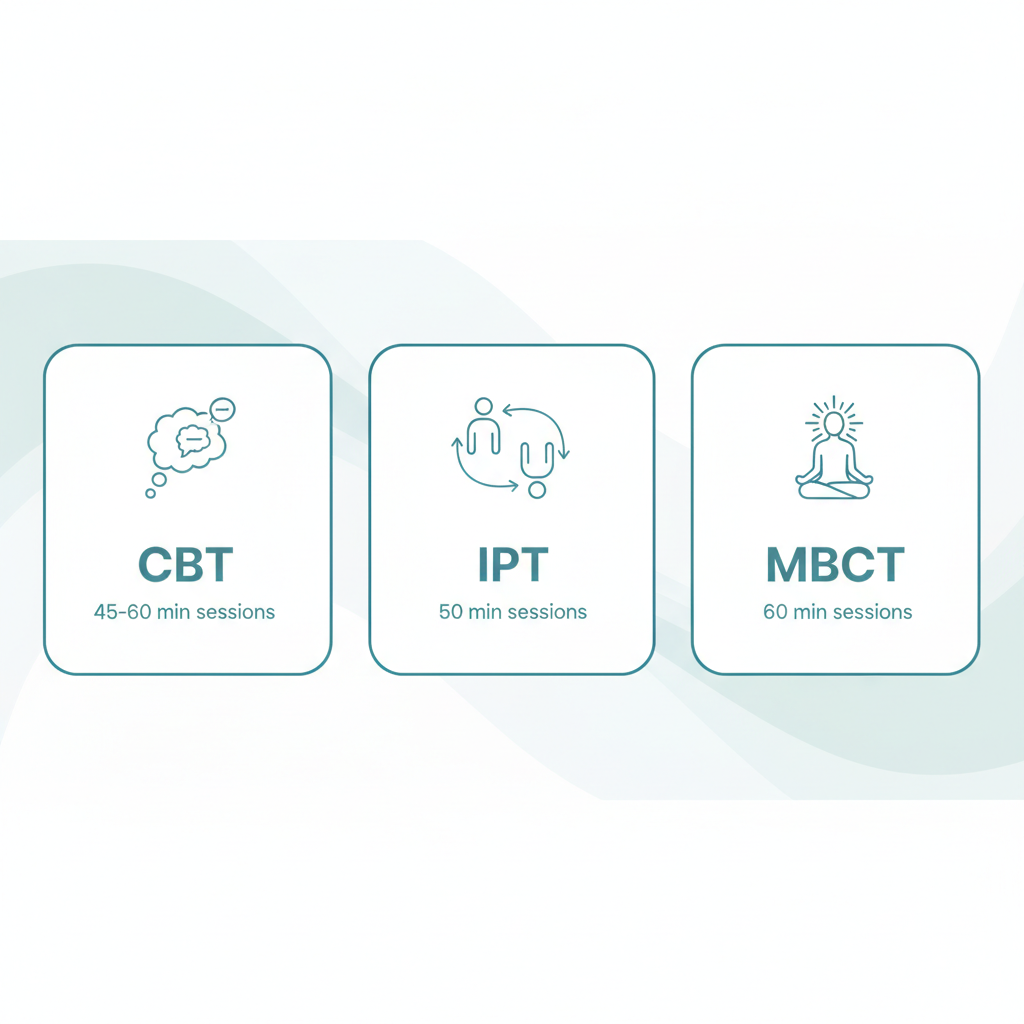
Visual guide to common depression therapy options for Allentown residents
Discussing effectiveness, studies from sources like Healing Path Psychiatry highlight therapy’s proven impact; for example, CBT reduces symptoms by 50% in just 12 weeks for many patients. An anxiety and depression therapist in Allentown can adapt these methods to individual needs, yielding higher success rates when combined with depression treatment Lehigh Valley resources. Allentown depression counseling basics underscore this reliability, with virtual options making care convenient for remote Lehigh Valley participants. Privacy under HIPAA further builds confidence, protecting sensitive discussions. As you explore these foundations, the next section delves into advanced techniques for deeper recovery.
Exploring Depression Therapy in Depth
Depression therapy offers structured pathways to alleviate symptoms and foster resilience, particularly in outpatient settings like those in Allentown, PA. Building on foundational knowledge, this section examines evidence-based approaches such as cognitive behavioral therapy (CBT) and dialectical behavior therapy (DBT), alongside their integration with local mental health challenges. Providers like Recovery Cove emphasize personalized care that aligns with community needs, including insurance compatibility with plans like Aetna and UnitedHealthcare, to ensure accessible support for long-term recovery.
Evidence-Based Techniques for Depression
Cognitive behavioral therapy (CBT) and dialectical behavior therapy (DBT) stand as cornerstone interventions for depression, each tailored to address cognitive and emotional facets of the disorder. CBT focuses on identifying and restructuring negative thought patterns through techniques like cognitive reframing and behavioral activation, where patients track mood-influencing activities to build positive habits. For instance, a patient might challenge self-defeating beliefs by examining evidence against them, leading to gradual symptom relief. DBT, originally developed for borderline personality disorder, adapts mindfulness and emotion regulation skills for depression, teaching distress tolerance to manage overwhelming feelings without impulsive reactions.
Selecting between CBT and DBT often depends on individual symptoms; those with predominant rumination may benefit more from CBT’s structured cognitive focus, while individuals experiencing intense emotional swings could find DBT’s skills training more supportive. Research indicates these therapies yield 60-70% symptom reduction in outpatient settings, with DBT showing 65% improvement in emotional regulation as noted in mental health treatment overviews.
| Aspect | CBT | DBT | Local Suitability (Allentown, PA) |
|---|---|---|---|
| Core Techniques | Thought restructuring, behavioral activation | Emotion regulation, mindfulness skills | Distress tolerance for high-stress areas |
| Session Structure | Homework-focused, goal-oriented | Group skills training optional | Fits outpatient with insurance like UnitedHealthcare |
| Effectiveness for Co-Occurring Anxiety | High for cognitive symptoms | Strong for emotional dysregulation | Ideal for Lehigh Valley dual-diagnosis cases |
Integrating Therapy with Local Mental Health Needs
In the Lehigh Valley, depression often co-occurs with anxiety, necessitating integrated therapy that addresses both mood and worry cycles. An anxiety and depression therapist in Allentown employs combined CBT and DBT elements to target these intertwined issues, using exposure techniques for anxiety alongside mood stabilization for depression. For example, patients learn to interrupt panic spirals while reframing depressive hopelessness, promoting holistic emotional balance. Recovery Cove’s model exemplifies this by weaving in lifestyle counseling and peer support, recognizing that regional factors like seasonal affective changes amplify symptoms.
Evidence underscores the efficacy of such integration; studies show dual-treatment reduces relapse by up to 50%, with local adaptations proving vital for Allentown residents facing access barriers. A mental health therapist in Allentown, PA, might draw on BCA Mental Health insights to incorporate online modules for flexibility, especially beneficial for those with transportation challenges in rural Lehigh Valley areas. Anonymized testimonials highlight success: one Allentown client reported, After sessions addressing my anxiety and low mood, I finally feel equipped to handle work stress without spiraling. This underscores in-depth Allentown depression interventions that prioritize co-occurring disorders.
| Aspect | Online | In-Person | Local Suitability (Allentown, PA) |
|---|---|---|---|
| Accessibility | Flexible scheduling via video | Fixed clinic visits | virtual mental health services PA for remote access |
| Interaction Style | Screen-based engagement | Direct rapport building | Balances virtual convenience with in-person community ties |
| Effectiveness for Co-Occurring Issues | Strong for cognitive work, 60% adherence | Enhanced emotional cues, 70% symptom drop | Supports Aetna-covered hybrid models for dual-diagnosis |
| Cost and Insurance | Often lower overhead, broad coverage | Travel may add expense | UnitedHealthcare-friendly for both in Lehigh Valley |
Online therapy, as offered through virtual mental health services PA, expands reach for busy professionals or those in outlying areas, while in-person sessions at facilities like Recovery Cove provide tangible support networks. This dual approach ensures comprehensive care, with therapists specializing in anxiety and depression near Allentown, PA, tailoring plans to individual needs.
Practical Steps for Starting Depression Therapy
Taking the first step toward addressing depression can feel daunting, especially in a community like Allentown, PA, where stigma sometimes lingers. However, practical mental health steps in PA are more accessible than ever, with local resources designed to support residents in starting local Allentown therapy.
Finding and Contacting Therapists in Allentown
Begin your search for a depression therapist in Allentown, PA by leveraging trusted online directories. Psychology Today offers a comprehensive listing of therapists, where you can filter by insurance and specialty to find over 50 matches in the area specializing in depression.
- Visit directories like Psychology Today or the Pennsylvania Psychological Association website.
- Enter your location as Allentown, PA, and select depression as the primary concern.
- Review profiles for credentials, experience, and availability for in-person or virtual sessions.
Once you identify potential providers, contacting them requires prompt follow-up. For a mental health therapist in Allentown, PA, prepare your insurance details in advance to discuss coverage during initial calls or emails. Many local practices, including those affiliated with Bethlehem Behavioral Health, welcome inquiries about individual or group therapy options tailored to Allentown residents.
| Insurance Provider | Coverage for Outpatient Therapy | Session Limits | Local Provider Acceptance |
|---|---|---|---|
| Aetna | Full coverage for CBT/IPT | Up to 20 sessions/year | Yes, with verification |
| Blue Cross Blue Shield | Covers mental health outpatient | Unlimited with referral | Widely accepted in Lehigh Valley |
| UnitedHealthcare | Includes virtual sessions | 12-24 sessions | Supported at area clinics |
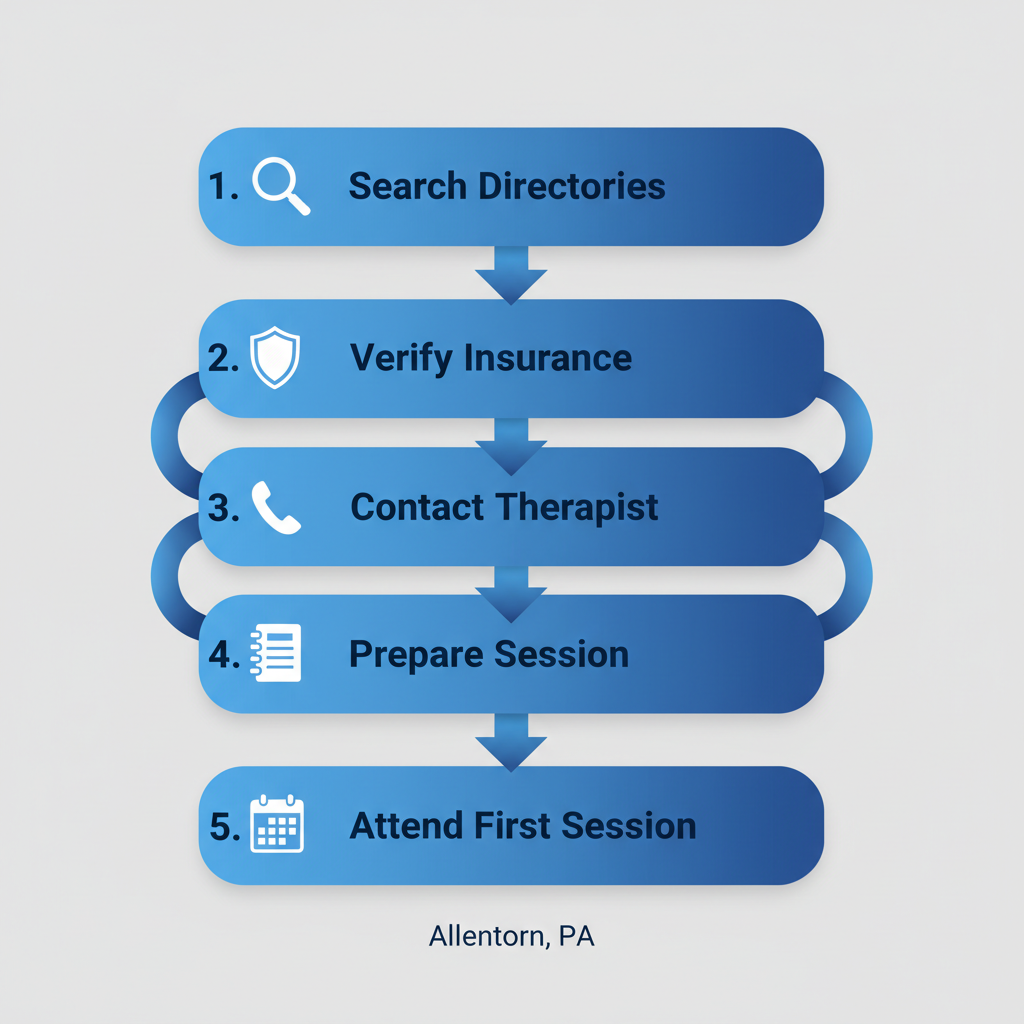
Steps to begin depression therapy in Allentown, Pennsylvania
Preparing for Your First Session
As you gear up for your initial appointment with an anxiety and depression therapist in Allentown, focus on organization to maximize the session’s value.
- Journal your symptoms: Note daily mood patterns, triggers, and impacts on work or relationships.
- List questions: Prepare inquiries about the therapist’s approach.
- Gather documents: Bring ID, insurance card, and any prior medical records.
| Session Aspect | What to Expect | Preparation Tip |
|---|---|---|
| Introduction | Therapist reviews confidentiality | Arrive 10 minutes early to complete forms |
| History Discussion | Share symptoms and goals | Practice articulating your depression story |
| Treatment Overview | Explanation of therapy types | Research basic terms like IPT beforehand |
Advanced Strategies in Depression Therapy
When standard treatments like talk therapy and basic antidepressants fail to yield results, patients in Allentown, PA may need to consult a depression therapist in Allentown, PA for escalation. Typically, after eight weeks without significant improvement in mood or daily functioning, clinicians recommend advancing to more intensive options.
| Strategy | Description | Integration with Addiction | Availability |
|---|---|---|---|
| Medication-Assisted Therapy (MAT) | Combines antidepressants with counseling | Supports co-occurring substance use | Offered via Recovery Cove |
| Group Therapy Enhancements | Peer support for relapse prevention | Addresses local isolation | Virtual/in-person in Lehigh Valley |
Recovery Cove exemplifies an integrated approach at the forefront of these strategies, blending mental health and fentanyl addiction treatment PA in a multidisciplinary outpatient model.
Frequently Asked Questions About Depression Therapy
What is the effectiveness of depression therapy? Depression therapy proves highly effective for 70-80% of patients, reducing symptoms within 12-16 weeks. Local mental health services at Recovery Cove foster lasting relief.
How do I find the best depression therapist in Allentown, PA? Seek licensed professionals via directories; Recovery Cove offers vetted options for accessible support.
Taking the Next Step in Your Mental Health Journey
As you wrap up your local mental wellness journey in Allentown, therapy for depression stands out as a proven path to relief and resilience. A depression therapist in Allentown, PA, can enhance daily life through tailored sessions, often covered by insurance for accessible care. Recovery Cove’s holistic outpatient approach integrates mental health support for lasting recovery in the Lehigh Valley community.