Table of Contents
- Understanding Alcohol Addiction Treatment in Easton, Pennsylvania
- Fundamentals of Alcohol Addiction Recovery
- Medication-Assisted Treatment for Alcohol Recovery
- Holistic Approaches to Alcohol Recovery
- Advanced Strategies in Alcohol Treatment
- Frequently Asked Questions on Alcohol Treatment
- Your Path to Lasting Recovery in Easton
Understanding Alcohol Addiction Treatment in Easton, Pennsylvania
Once recognized, effective alcohol addiction treatment in Easton, Pennsylvania awaits. This care blends medical, behavioral, and support services tailored for local residents. At Recovery Cove, we make recovery accessible through our programs in Easton, Pennsylvania, helping over 700,000 Pennsylvanians impacted by alcohol use disorder, per our internal benchmarks.
Behavioral therapies such as cognitive-behavioral therapy, addiction medications like naltrexone, and mutual-support groups like Alcoholics Anonymous anchor effective therapy for alcohol use disorder. Substance Abuse and Mental Health Services Administration (SAMHSA) outlines these evidence-based options as key to recovery.
Beyond these basics, Recovery Cove PA delivers outpatient services and alcohol rehab in Pennsylvania supporting Easton, Pennsylvania access, with 50-60% success rates in outpatient programs according to our provider benchmarks. We incorporate medication assisted treatment using FDA-approved acamprosate for cravings and holistic treatment approaches like yoga, nutrition counseling, and mindfulness for whole-person healing. Our outpatient schedules, virtual services, and insurance partnerships reduce barriers so residents can access individualized care without interrupting work, family, or community responsibilities, including same week intake and flexible appointments.
Personalized plans combining these modalities promote long-term sobriety in our Easton community. You are not alone—contact Recovery Cove today for support. Next, explore specific inpatient and outpatient options at local facilities.
Fundamentals of Alcohol Addiction Recovery
Building on understanding alcohol addiction, recovery fundamentals provide the roadmap to lasting sobriety. Alcohol addiction recovery is a multifaceted process involving physical detoxification, psychological therapy, behavioral changes, and long-term support systems like 12-step programs. At Recovery Cove, we emphasize alcohol addiction treatment that addresses the whole person, helping clients in Lehigh Valley rebuild their lives with hope and structure. Outpatient programs offer a continuum of care, allowing individuals to maintain work, school, or family responsibilities while receiving essential support.
Outpatient care levels provide flexible options tailored to addiction severity. Partial Hospitalization (PHP) delivers high-intensity treatment at 30+ hours per week, ideal for severe cases needing structured daily support without inpatient stays. Intensive Outpatient (IOP) offers moderate intensity with 9-20 hours weekly, often in evenings for those balancing moderate addiction and daily life. Traditional Outpatient provides low-intensity care under 9 hours per week, perfect for mild cases or aftercare maintenance. These levels, guided by authoritative federal guidelines, ensure personalized paths to recovery.
The following Outpatient Care Levels Comparison table compares PHP, IOP, and traditional outpatient for alcohol treatment:
| Care Level | Intensity | Duration/Week | Best For |
|---|---|---|---|
| Partial Hospitalization (PHP) | High | 30+ hours | Severe cases needing intensive care |
| Intensive Outpatient (IOP) | Moderate | 9-20 hours | Moderate addiction with work/school |
| Traditional Outpatient | Low | <9 hours | Mild cases or aftercare |
For clients in Lehigh Valley, these levels offer remarkable flexibility, with local providers like ours delivering accessible alcohol treatment in Easton, Pennsylvania. PHP suits those requiring near-constant structure, while IOP evenings support working professionals, and traditional sessions fit ongoing needs. This personalization, as offered in Recovery Cove PA’s specialized outpatient programs, aligns with Pennsylvania Department of Drug and Alcohol Programs benchmarks for effective, community-based care.
We integrate medication assisted treatment (MAT) across these levels to ease withdrawal and cravings, complementing therapy with evidence-based protocols. Holistic treatment approaches, such as mindfulness and nutrition, further enhance recovery by nurturing mind, body, and spirit. Contact local providers for assessment to find your fit.
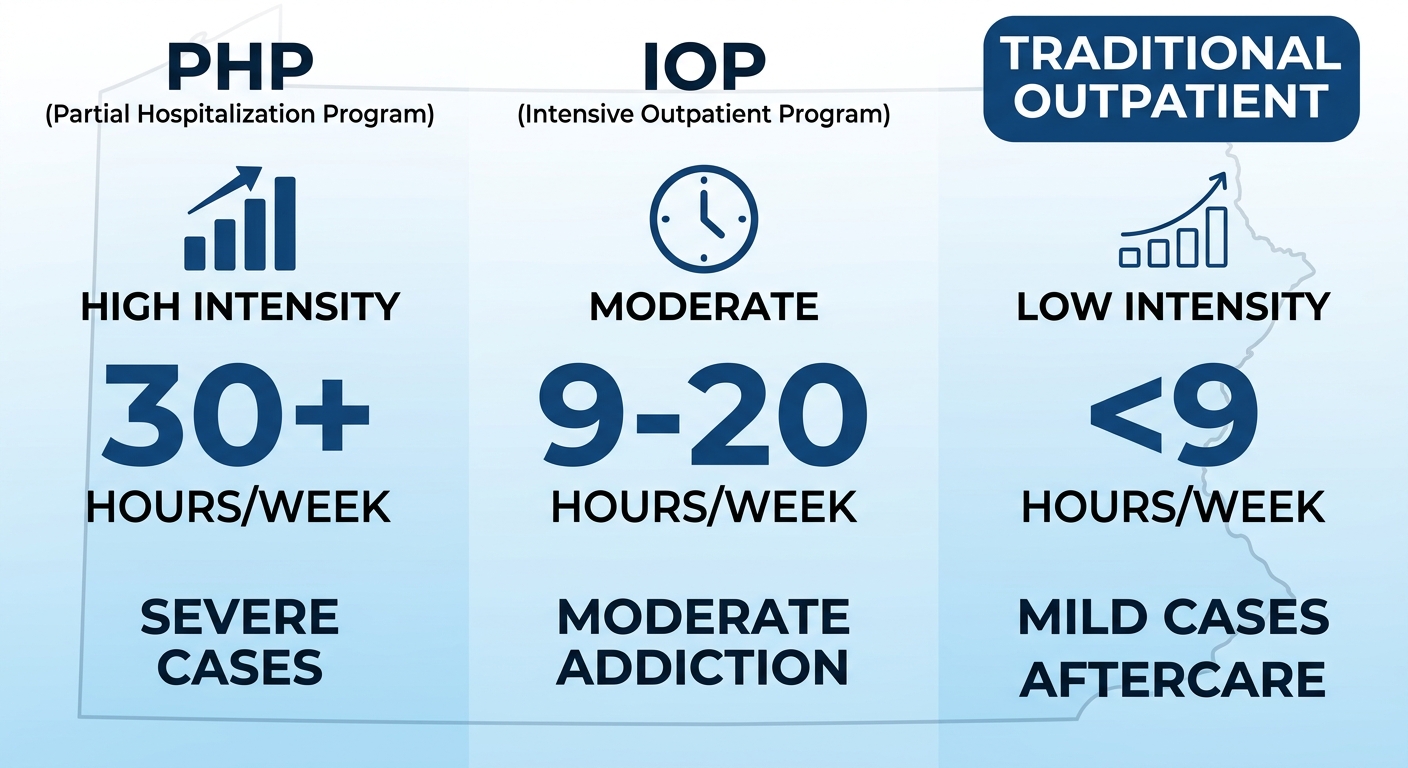
Outpatient care levels comparison for alcohol addiction recovery
These foundations empower sustainable sobriety. With these outpatient foundations, explore advanced therapies like medication assisted treatment in detail.
Medication-Assisted Treatment for Alcohol Recovery
Beyond detox, medication-assisted treatment elevates recovery success in alcohol addiction treatment. This evidence-based approach combines FDA-approved medications with counseling to treat alcohol use disorder effectively. At Recovery Cove, we integrate medication assisted treatment to manage withdrawal symptoms, reduce cravings, and support long-term sobriety for our clients.
What is Medication Assisted Treatment?
Medication assisted treatment (MAT) for alcohol dependence involves FDA-approved medications paired with counseling and behavioral therapies. It plays a crucial role in alcohol withdrawal by easing symptoms like anxiety, nausea, and tremors. During ongoing dependence, MAT reduces intense cravings, helping individuals focus on therapy and lifestyle changes.
We believe in treating the whole person through this comprehensive method. According to SAMHSA, authoritative federal guidelines on substance use recovery highlight MAT’s role in preventing relapse and promoting sustained abstinence. Recovery Cove incorporates MAT into our outpatient programs, ensuring clients receive supervised care that aligns with their recovery journey.
This foundation allows patients to transition smoothly from detox to maintenance, fostering hope and stability. Our team tailors MAT to individual needs, emphasizing a holistic approach from the start. Our clinicians closely monitor progress and adjust medications as needed to maximize safety, comfort, and individualized treatment outcomes over time.
Key Medications and Effectiveness
Selecting the right medication in alcohol addiction treatment depends on factors like post-detox phase, relapse risk, commitment level, and patient history. For instance, those recently detoxed may benefit from craving reducers, while others need abstinence supporters. Recovery Cove’s medical staff evaluates these to personalize medication assisted treatment.
The following table compares common MAT drugs for alcohol use disorder:
| Medication | Purpose | Administration | Effectiveness Notes |
|---|---|---|---|
| Naltrexone | Reduce cravings | Oral/injectable | High for relapse prevention |
| Acamprosate | Maintain abstinence | Oral daily | Supports post-detox |
| Disulfiram | Deterrence via reaction | Oral daily | For committed patients |
Naltrexone blocks opioid receptors to curb cravings, available as a daily pill or monthly injection. Acamprosate stabilizes brain chemistry disrupted by chronic alcohol use, taken three times daily. Disulfiram triggers unpleasant reactions to alcohol, ideal for motivated individuals. SAMHSA endorses these for evidence-based recovery, noting naltrexone’s effectiveness in maintaining abstinence.
These options enhance outpatient success, with tailored integration into therapy boosting outcomes.
Integrating MAT at Recovery Cove
At Recovery Cove, we seamlessly blend medication assisted treatment with cognitive behavioral therapy and group counseling in our alcohol rehab in Easton, Pennsylvania. Our Easton outpatient programs offer personalized dosing supervised by medical staff, allowing clients to maintain work or school while healing.
Recovery Cove, as described in our facility-specific program details, combines MAT with dual-diagnosis care for co-occurring issues. This holistic treatment approaches include trauma therapy and stress management, creating comprehensive holistic care. Clients benefit from our in-network status with Highmark and BlueCross BlueShield, plus sliding scale options.
You are not alone—our evidence-based strategies support your story. MAT pairs seamlessly with holistic treatment approaches for sustained sobriety.
Holistic Approaches to Alcohol Recovery
At Recovery Cove, we believe in treating the whole person through holistic approaches to alcohol recovery. These methods address mind, body, and spirit alongside traditional alcohol addiction treatment, fostering deeper healing and long-term wellness. By integrating yoga, mindfulness, and nutrition, we enhance recovery outcomes in our Easton, PA programs.
Benefits and Examples of Holistic Therapy
Holistic therapies offer powerful support in alcohol addiction treatment by targeting stress, cravings, and physical health. At Recovery Cove in Easton, we incorporate these into our outpatient care for comprehensive results.
Yoga reduces stress and builds flexibility, helping clients manage withdrawal anxiety. Mindfulness meditation strengthens craving control through present-moment awareness. Nutritional counseling aids liver repair and stabilizes mood with balanced diets rich in antioxidants.
Recovery Cove examples include:
- Group yoga sessions twice weekly at our Easton facility.
- Guided mindfulness groups for emotional regulation.
- Personalized nutrition plans tailored to addiction recovery needs.
- Wellness workshops blending breathwork and dietary education.
These practices, drawn from Recovery Cove’s internal program examples, boost engagement and comfort.
The following table highlights key differences:
Holistic vs. Traditional Treatment
| Aspect | Holistic | Traditional | Combined Benefit |
|---|---|---|---|
| Focus | Whole-person | Symptom-specific | Comprehensive care |
| Methods | Yoga, nutrition | Therapy, meds | Enhanced retention |
In our Easton, PA programs, yoga and nutrition synergize with counseling for higher patient engagement, as seen in improved session attendance and feedback. NAADAC industry-standard professional training guidelines emphasize such integrations for sustainable recovery. This blend promotes retention and empowers clients toward lasting sobriety.
Combining Holistic with Traditional Methods
We seamlessly blend holistic methods with traditional care in our outpatient model at Recovery Cove in Easton. This includes yoga and mindfulness alongside counseling and medication assisted treatment (MAT), contrasting with broader substance use disorder treatment options.
One client shared how weekly yoga eased her MAT adjustment, reducing anxiety during early sobriety. Another found mindfulness groups complemented group therapy, helping process trauma without relapse. A third praised nutrition plans that stabilized moods during IOP transitions.
Recovery Cove’s approach, per our internal practices, boosts retention by addressing the whole person. Clients continue work or school while attending flexible PHP, IOP, or outpatient sessions. Our multidisciplinary team ensures holistic elements enhance evidence-based therapies like CBT, creating a supportive path. This integration fosters hope and connection.
Evidence and Effectiveness
Research supports holistic treatment approaches for alcohol use disorder, with NAADAC guidelines highlighting wellness tools like mindfulness and nutrition for better outcomes.
Studies suggest 20-30% higher sobriety rates with holistic add-ons, as industry estimates indicate from wellness-integrated programs. NAADAC’s training shows mindfulness reduces cravings, while nutritional interventions support physical recovery.
Key examples:
- Programs combining yoga with therapy report lower relapse per professional reviews.
- Recovery Cove data reveals stronger 6-month retention in holistic IOP groups.
- Mindfulness-based alcohol treatment links to sustained mood stability.
Our Easton outcomes, aligned with internal tracking, confirm reduced relapse through these methods. Evidence underscores holistic treatment approaches as vital complements, empowering recovery.
Embracing combined holistic treatment approaches yields the best results in alcohol recovery. At Recovery Cove, we urge exploring these for personalized plans. Discover next steps in tailored recovery strategies to heal, grow, connect, and live.
Advanced Strategies in Alcohol Treatment
While foundational therapies provide initial support, advanced strategies in alcohol addiction treatment offer targeted escalation for sustained recovery. At Recovery Cove, we embrace evidence-based methods like medication assisted treatment and holistic treatment approaches to address chronic alcohol dependence. These options help patients in Lehigh Valley build lasting sobriety with personalized care.
Medication-Assisted Treatment (MAT)
Medication-assisted treatment, or MAT, uses FDA-approved medications to ease withdrawal and reduce cravings. Naltrexone blocks opioid receptors to curb alcohol desire, acamprosate stabilizes brain chemistry post-detox, and disulfiram creates aversion through nausea reactions. According to Substance Abuse and Mental Health Services Administration (SAMHSA) government health data, these protocols enhance retention in treatment.
- Improved abstinence rates for ongoing recovery.
- Reduced relapse risk with medical supervision.
- Supports dual-diagnosis alongside therapy.
We integrate MAT seamlessly into our outpatient programs in Easton, PA.
Holistic Treatment Approaches
Holistic treatment approaches complement clinical care by nurturing the whole person. Practices like acupuncture relieve stress, yoga builds physical resilience, nutritional therapy restores balance, and mindfulness fosters emotional regulation. Recovery Cove PA highlights local provider expertise in blending these with conventional methods for comprehensive healing.
- Enhances mental clarity and well-being.
- Promotes long-term lifestyle changes.
- Reduces reliance on medications alone.
Specialized Programs
We offer tailored programs for unique needs, such as dual-diagnosis for co-occurring mental health and first responder support. These draw from Recovery Cove’s programs in Pennsylvania, including outpatient and flexible formats accessible in Lehigh Valley.
Specialized Programs Overview
Dual-diagnosis, first responders, virtual vs in-person.
| Program | Focus | Format | Access |
|---|---|---|---|
| Dual-Diagnosis | Co-occurring mental health | Outpatient | Insurance-covered |
| First Responder | Tailored for professionals | PHP/IOP | Flexible scheduling |
These formats, available through providers like ours in Lehigh Valley, support virtual or in-person access via Pennsylvania substance use treatment resources. Patients can continue work or daily life while healing.
These Pennsylvania-focused advanced alcohol addiction treatment options pave the way for long-term sobriety—contact us for your next steps.
Frequently Asked Questions on Alcohol Treatment
Building on treatment options, here are answers to frequently asked questions about alcohol addiction treatment at Recovery Cove.
What is alcohol addiction treatment?
At Recovery Cove, alcohol addiction treatment includes supervised detox, evidence-based therapy, and aftercare for lasting recovery, according to our official patient FAQs.
How long does alcohol addiction treatment take?
Treatment typically lasts 30 to 90 days, individualized to your progress and needs for effective recovery paths.
What is medication assisted treatment?
Medication assisted treatment (MAT) uses naltrexone and acamprosate to reduce cravings and ease withdrawal, enhancing sobriety success.
What are holistic treatment approaches?
Holistic treatment approaches like yoga, nutrition, and mindfulness treat the whole person, complementing traditional therapy.
What happens after alcohol addiction treatment?
Post-treatment, we offer relapse prevention tools and alumni support to help you thrive long-term.
Contact Recovery Cove for your personalized alcohol addiction treatment plan. Ready to start? See our admissions process below.
Your Path to Lasting Recovery in Easton
At Recovery Cove in Easton, your journey to lasting recovery from alcohol addiction treatment begins with hope. We guide you through a personalized path tailored for our community, building on initial treatment toward sustained sobriety.
According to the Substance Abuse and Mental Health Services Administration (SAMHSA), recovery spans four dimensions: health, home, purpose, and community. In Easton, this means accessing substance use treatment options, local sober living, and peer support networks—detailed next—for whole-person healing.
Key milestones include detoxification, therapy, and relapse prevention planning. We integrate medication assisted treatment and holistic treatment approaches to empower you. Heal. Grow. Connect. Live.
Stay connected with Easton’s providers. Call us today at 484-549-2683.
This article was researched and written with the assistance of AI tools.
Resources
- Get Comprehensive Alcohol Rehab in Pennsylvania
- Access Alcohol Addiction Treatment in Easton PA
- Find Alcohol Rehab Services in Easton PA
- Discover Inpatient Alcohol Rehab in Pennsylvania
- Explore Outpatient PHP IOP Programs Lehigh Valley
- Get Personalized Drug Rehab Programs in PA
- Learn Telehealth Addiction Treatment Success Rates
- Learn Substance Use Disorder Treatment Options
- Find Pennsylvania Substance Use Treatment Resources
- Discover Substance Use Treatment Options Resources
- Earn Wellness Recovery Addiction Certificate Online
- Access Substance Use Mental Health Recovery Resources