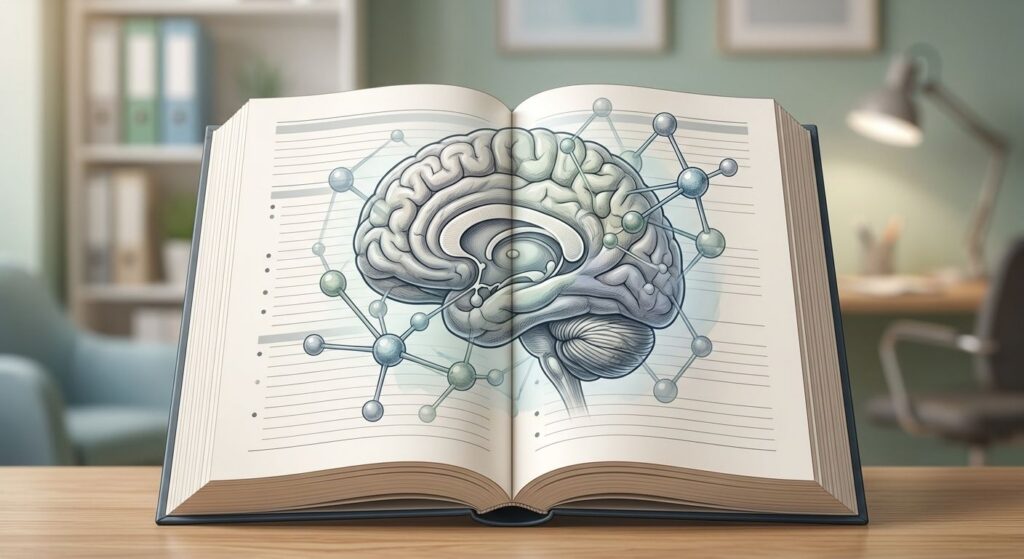
Medication-Assisted Treatment (MAT) is a comprehensive, evidence-based approach to treating opioid and alcohol use disorders. It is defined by three primary pillars: the use of FDA-approved medications (such as buprenorphine or methadone), clinical counseling, and behavioral therapies. This whole-patient strategy is designed to normalize brain chemistry, block the euphoric effects of substances, and relieve the physiological cravings and withdrawal symptoms that often lead to relapse.
Key aspects of MAT include:
- Medications: Tools like buprenorphine and methadone help stabilize the individual without providing a high, allowing them to regain daily function.
- Counseling and Therapy: Personalized sessions and behavioral techniques, such as Cognitive Behavioral Therapy (CBT), help patients identify triggers and develop coping strategies.
- Improved Outcomes: According to SAMHSA research, MAT can improve treatment retention by 40-60% and significantly reduce the risk of overdose and relapse compared to traditional therapy alone.
At Recovery Cove, MAT is integrated into flexible outpatient programs (PHP and IOP), allowing individuals to maintain their commitments to work, school, or family while receiving professional medical and psychological support.
Related FAQs
-
How Long does it Take for your Brain to Recover from Crack?
Read More »: How Long does it Take for your Brain to Recover from Crack?Recovery from the effects of crack cocaine is a unique process for every individual, and timelines for how the brain and body heal can vary significantly based on the duration and frequency of use. We focus on a holistic approach…
-
How Often do Crack Addicts Relapse?
Read More »: How Often do Crack Addicts Relapse?While recovery is a unique journey for every individual, crack cocaine addiction is recognized for its significant challenges. Rather than focusing on specific statistics or timelines, we prioritize providing the evidence-based therapies and structured support necessary to help you build…
-
What is the Most Common Dsm Diagnosis?
Read More »: What is the Most Common Dsm Diagnosis?While the DSM-5 covers a wide range of conditions, several specific disorders co-occur with substance use at notably high rates. According to research, individuals dependent on illegal substances have a 4.5-fold higher chance of having a co-occurring mental health condition.…
-
Is the Dsm-5 an Assessment Tool?
Read More »: Is the Dsm-5 an Assessment Tool?No, the DSM-5 is not an assessment tool. It is a diagnostic manual that provides the criteria clinicians use to identify mental and substance use disorders. It serves as a shared language and framework for clinicians, rather than a standalone…
-
What are the Four R’s of being Trauma-informed?
Read More »: What are the Four R’s of being Trauma-informed?The Four Rs framework, developed by SAMHSA, provides a clear sequence for creating healing spaces and implementing trauma-informed practice. We use these steps to ensure every layer of our care is sensitive to the needs of those with co-occurring disorders:…